Skip to content

TMJ Treatment in Marietta, Georgia

Jaw tension can affect eating, speaking, sleep, and neck comfort. We assess the jaw, neck, and related movement patterns before recommending care.

Licensed & InsuredWarranty AvailableUpfront, Transparent PricingServing 34 Communities
TMJ Treatment helps Marietta patients address jaw pain, clicking, tension, and related movement concerns. We begin with a thorough evaluation, explain the findings, and offer a free consultation before care begins. Our care may include hands-on chiropractic techniques, soft tissue therapy, and guidance for daily habits. We’re open Monday through Friday from 9 am to 7 pm, Saturday from 9 am to 2 pm, and closed Sunday.

What jaw care can change

Jaw-focused care may make chewing and speaking more comfortable.

A movement assessment can show how jaw tension connects with neck and shoulder strain.

Soft tissue techniques may help reduce muscle tightness around the jaw and neck.

Progress checks give you a clearer way to judge changes in movement and comfort.

What TMJ Treatment Covers

TMJ Treatment is a care approach that assesses the jaw joint, nearby muscles, and related movement patterns.

  • TMJ Treatment differs from a general chiropractic adjustment because it focuses on jaw function and the tissues that support it.
  • Local relevance depends on access to care, and our Marietta clinic serves patients from nearby communities.
Two men sit at a table, one reviewing a clipboard while the other listens in a workshop setting
About

What jaw-focused care includes

TMJ treatment starts with a health history and exam. We ask about pain, clicking, chewing, jaw locking, headaches, neck tension, and daily habits. The assessment helps us decide whether hands-on chiropractic techniques, soft tissue therapy, corrective care, or wellness guidance fits your goals. We explain each option before care begins, and individual response differs. Progress matters on this service. We look for changes in jaw movement, comfort during daily tasks, muscle tension, and related neck symptoms. If the findings change, we adjust the care plan or discuss the next appropriate step.

Process

How jaw-focused treatment is done

1

Discuss symptoms and goals

We review jaw pain, clicking, chewing limits, headaches, neck tension, injuries, and your main care goals.

2

Complete the jaw and neck exam

We assess jaw range of motion, muscle tension, neck movement, and related signs before recommending treatment.

3

Explain the care options

We explain whether soft tissue therapy, hands-on techniques, corrective chiropractic care, or wellness guidance fits the findings. Your free consultation gives you space to ask questions.

4

Apply comfortable techniques

We use hands-on chiropractic techniques suited to your comfort and the movement concerns found during the exam.

5

Check progress and refine care

We compare jaw movement, comfort, and related tension over time, then update the personalized care plan when appropriate.

What to prepare before jaw care

A few details can help us understand your symptoms and choose the right starting point.

  • Write down when jaw pain, clicking, or tightness began.
  • Note whether chewing, yawning, speaking, or sleep changes your symptoms.
  • Bring a list of current treatments, medications, and relevant health concerns.
  • Think about your main goal, such as easier chewing or less jaw tension.

The Arrowhead Clinic Chiropractor Marietta Standard

Individualized Care

We shape jaw care around each patient's symptoms, movement findings, comfort, and goals.

Thorough Assessments

We examine jaw motion, nearby muscles, neck function, and symptom patterns before recommending treatment.

Progress Monitoring

We review jaw movement, muscle tension, and daily comfort, then adjust care when progress findings support it.

Questions about jaw-focused care

Who provides TMJ treatment at your Marietta clinic?

Arrowhead Clinic Chiropractor Marietta provides TMJ treatment through a jaw and neck assessment followed by individualized chiropractic care. We review symptoms, movement, and goals before recommending care. Treatment may include hands-on techniques, soft tissue therapy, corrective care, or wellness guidance. We explain the options during your free consultation.

What does a TMJ treatment assessment include?

A TMJ assessment includes a health history, jaw movement check, muscle review, and neck examination. We ask about clicking, chewing pain, headaches, tension, and jaw locking. The findings guide the care plan. We may also consider related injuries or daily habits when they affect your symptoms.

What helps TMJ pain and clicking most?

The best care depends on the findings, because jaw pain and clicking can have different causes. Our team checks movement, soft tissue tension, neck function, and symptom patterns before choosing techniques. Care may include hands-on chiropractic methods, soft tissue therapy, and guidance for daily habits. Results vary by patient.

What changes the cost of jaw-focused chiropractic care?

The cost depends on the assessment needs, recommended techniques, and amount of follow-up care. We explain care options before treatment and offer a free consultation to discuss your concerns. Ask about insurance benefits verification if coverage may apply, since plan rules differ.

Can jaw treatment help headaches linked to clenching?

Jaw-focused care may help when headaches occur with jaw tension or related neck strain. We assess the timing of symptoms, jaw movement, muscle tension, and neck function. Our findings guide the plan, but individual response differs. Persistent or severe symptoms may need medical or dental evaluation as well.

Should I see a dentist or chiropractor for jaw symptoms?

A chiropractor can assess jaw movement, related neck function, and soft tissue tension. Dental care may be needed for tooth, bite, or dental joint concerns. We explain what our findings show and discuss when another health professional may be appropriate. Patients in Marietta can begin with a focused consultation.

Common Mistakes With TMJ Treatment

  • Ignoring repeated jaw clicking can leave movement changes unchecked. We assess the sound with jaw range of motion, muscle tension, and related symptoms.
  • Treating jaw pain without discussing neck tension can miss a related movement pattern. We examine the jaw and neck together before recommending care.
  • Expecting one technique to fit every patient can create poor comfort or fit. We tailor hands-on methods to the exam findings and your goals.
  • Judging progress only by pain can overlook movement changes. We also monitor chewing comfort, jaw motion, muscle tension, and daily function.

Key Points About TMJ Treatment

  • Jaw clicking deserves context from movement, pain, and muscle findings.
  • A thorough exam includes the jaw, neck, and related soft tissue.
  • Care may include hands-on techniques, soft tissue therapy, and wellness guidance.
  • Progress includes movement and daily comfort, not pain alone.
  • Individual response differs, so follow-up findings guide care changes.
Contact

Ask about jaw care in Marietta

Arrowhead Clinic Chiropractor Marietta offers a free consultation for TMJ treatment concerns. During the first days after you reach out, we’ll discuss your symptoms, arrange the appropriate appointment, and explain what the initial assessment includes.
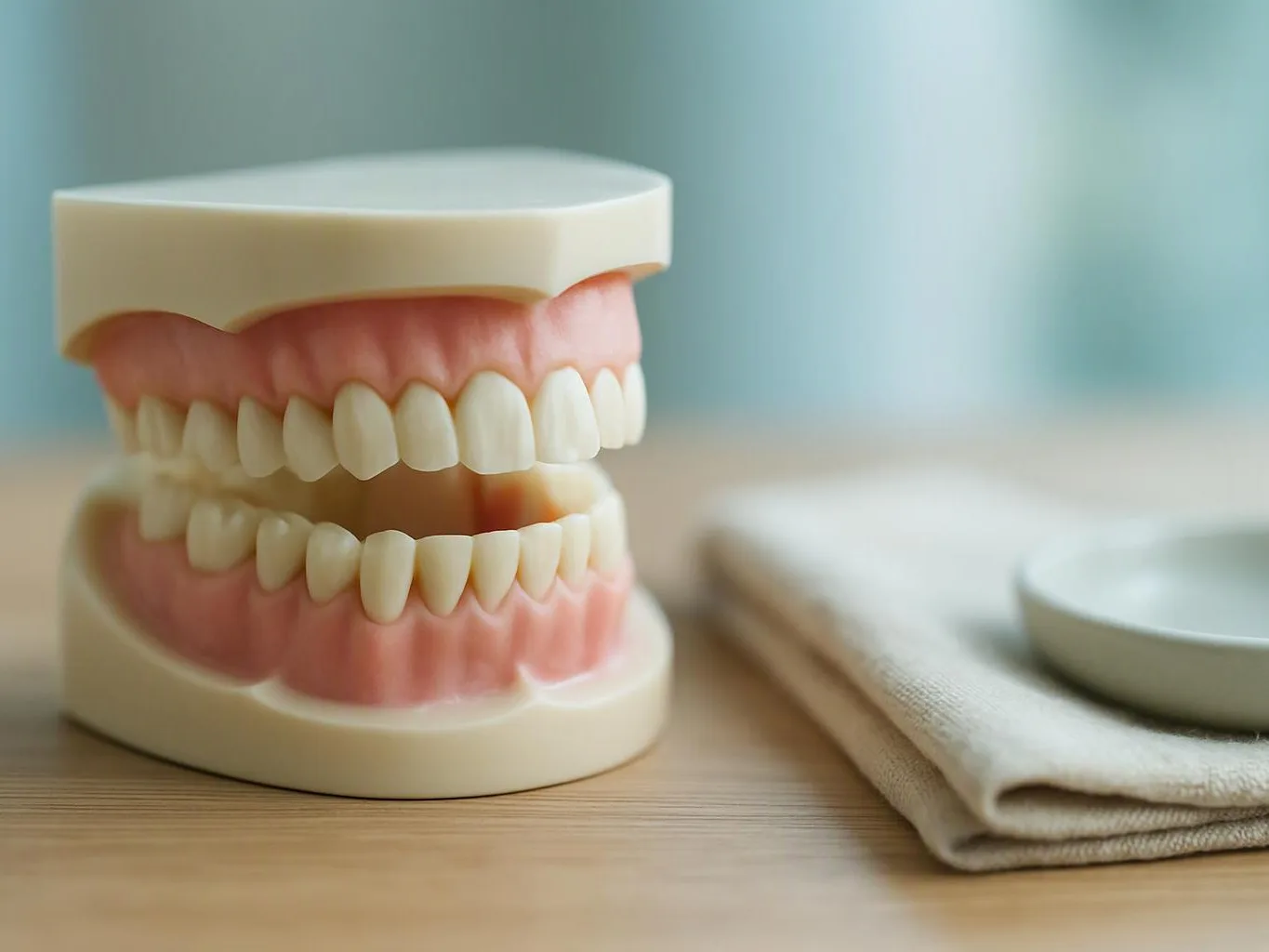
A dental model with open jaws sits on a wooden table beside a folded cloth and shallow dish
Scenarios

When Customers Call Us About TMJ Treatment

1

Clicking During Meals

A jaw that clicks during meals may also feel tight or tired by the end of the day. The sound alone doesn’t show the cause, so movement and muscle tension matter. We’ll review when the clicking happens, examine the jaw and neck, and explain whether hands-on care or another plan fits your findings.

2

Headaches With Jaw Tension

Some patients notice headaches alongside clenching, jaw soreness, or neck tightness. The key question is whether these symptoms follow the same pattern during work, sleep, or meals. We assess the jaw, nearby muscles, and neck movement, then discuss practical care options during your consultation.

3

Limited Jaw Movement

A stiff or difficult-to-open jaw can affect eating and speaking. We need to know when the limitation began and whether pain, clicking, or injury came first. Bring those details to your appointment so we can complete a focused exam and build care around your movement goals.


Our Other Services

Whiplash TreatmentNeck soreness, headaches and reduced range of motion often follow a sudden impact. Examination of the cervical spine, muscles and supporting joints guides treatment for calmer movement and less daily discomfort.
Back Pain TreatmentLower-back pain can interfere with sitting, lifting and sleep. We examine spinal motion, muscle tension and daily habits, then combine adjustments, soft tissue care or decompression therapy around your specific needs.
Chiropractic AdjustmentsStiff joints and limited movement can make everyday tasks harder. Chiropractic adjustments address spinal alignment and joint motion, helping reduce discomfort and restore easier movement through careful examination and hands-on care.
Auto Accident Injury TreatmentPain after a collision may appear hours or days later, even after minor vehicle damage. We assess whiplash, back strain and shoulder injuries, then build care around safer movement and steady recovery.
Sports Injury TreatmentA strained hamstring or painful shoulder can keep you from training and competing. We evaluate affected joints, muscles and movement patterns, then use chiropractic care to support recovery and a confident return to activity.
Work Injury TreatmentLifting, repetitive tasks and workplace falls can leave your back, wrist or knee painful. We document the affected area, assess movement and provide chiropractic care that supports safer work and daily activity.

The health and wellness information on this website is for general informational purposes only and is not medical advice. It does not create a provider-patient relationship. Always consult a qualified licensed provider in Marietta, Georgia, United States about your specific condition before making care decisions. Individual results vary.

(770) 626-7745