Can jaw mobilization reduce jaw pain, clicking, and tension?
Jaw mobilization may reduce jaw pain, clicking, and tension when movement limits or muscle tightness contribute to symptoms. Arrowhead Clinic Chiropractor Marietta checks jaw motion, posture, neck movement, and muscle tension first. Results vary, and dental or medical care may be more suitable when symptoms involve infection, fracture, or tooth damage.
What should be ready before TMJ treatment starts?
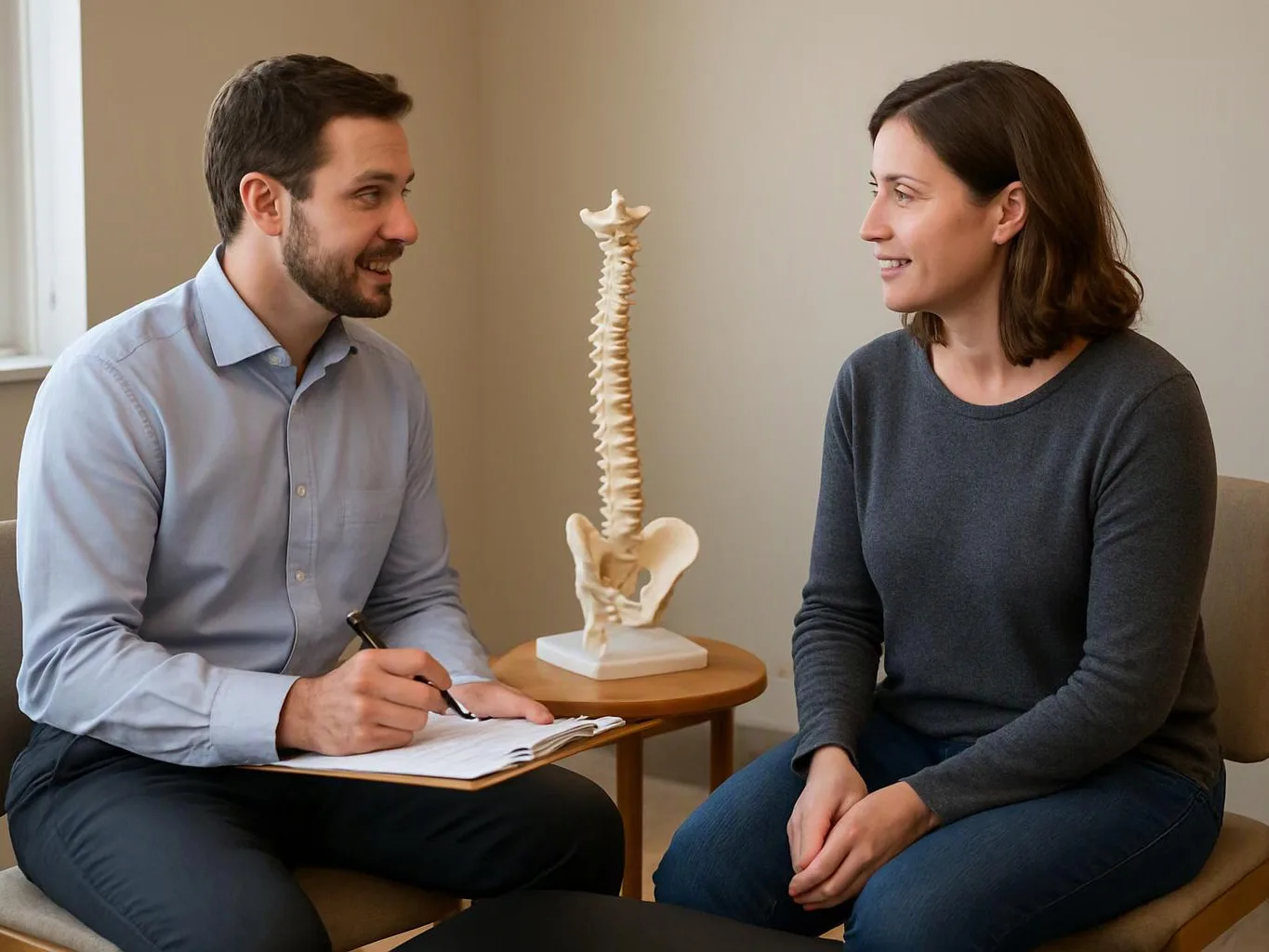
A symptom history, health history, and injury details help us plan the first evaluation. Bring records you already have and note when chewing, clenching, or posture changes your symptoms. Customers should also list current care and questions, so our team can explain suitable options and limits.
What should I ask before agreeing to jaw care?
The key questions concern the exam findings, recommended methods, expected follow-up, and signs that call for another provider. Our team explains why a method fits your symptoms before care begins. Ask how progress will be reviewed and which home steps support the plan.
Which condition changes the time needed for jaw care?
The condition that changes care time is the complexity of the jaw, muscle, neck, and posture findings. A focused concern may need a different plan from symptoms linked with an injury or wider movement limits. We assess those details first and explain the recommended next steps without promising a fixed timeframe.
How does this care differ from dental TMJ treatment?
Chiropractic TMJ care focuses on movement, muscle tension, posture, and related spinal function. Dental care addresses teeth, bite concerns, oral structures, and other dental findings. We can explain where our service fits, but tooth damage, infection, or bite problems may require a dental evaluation.
Why can posture affect jaw tension?
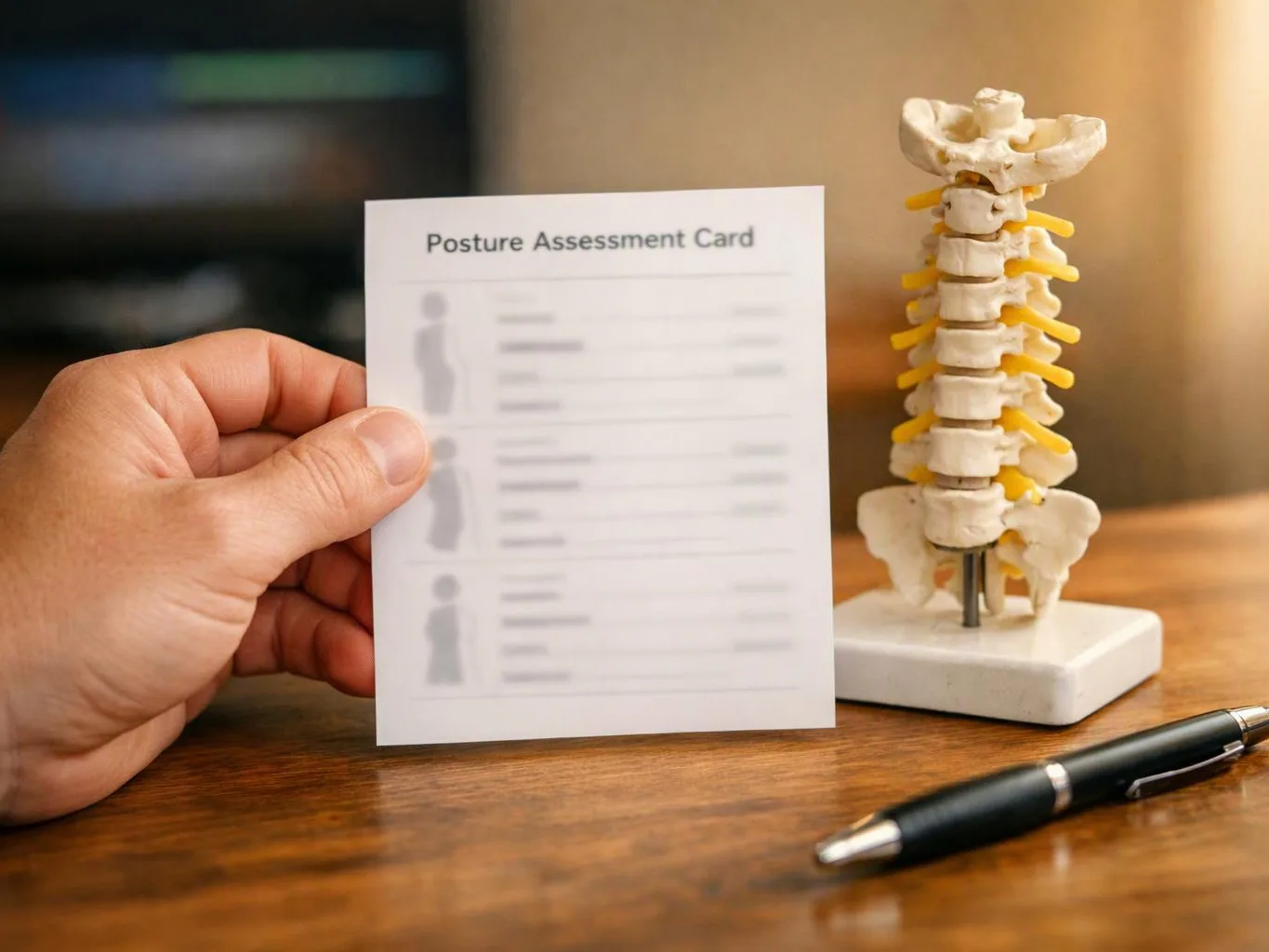
Posture can affect jaw tension by changing the position and workload of the neck and shoulder muscles. Our exam checks posture alongside jaw movement and muscle tone. Care may include corrective chiropractic methods, soft tissue therapy, and simple guidance when those findings connect with your symptoms.
Which exercises may support jaw care at home?
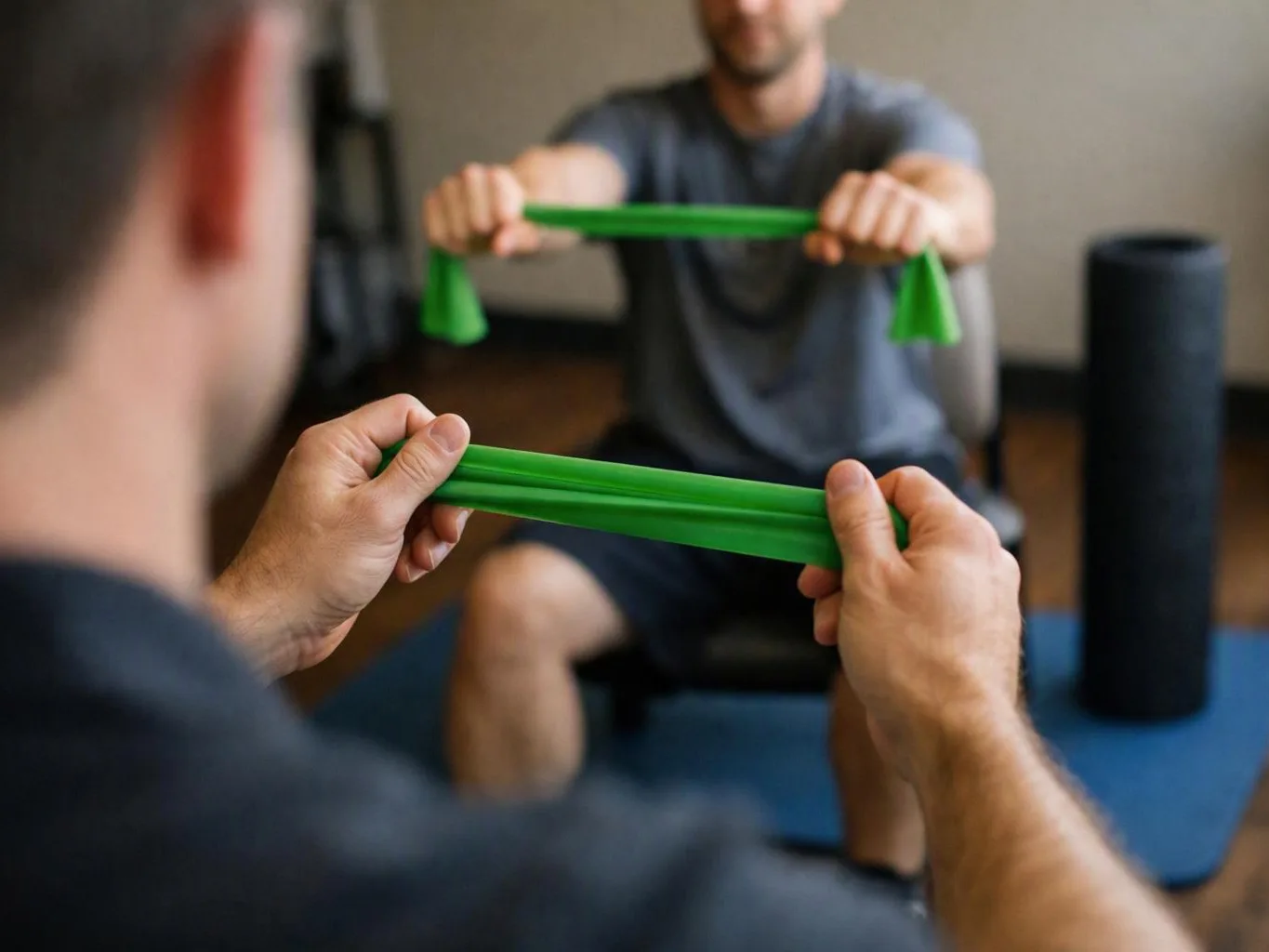
Breathing exercises and gentle posture work may support jaw care when they match your assessment. Our team gives guidance based on your movement and tension findings. Avoid forcing painful jaw motion, and ask about any exercise that increases clicking, pain, or tightness.