Can muscle release reduce jaw pain, clicking, and tension?
Muscle release may reduce jaw tension and support more comfortable movement when muscle factors contribute to symptoms. We assess the jaw, neck, posture, and soft tissues first. Care may include gentle soft tissue therapy, jaw mobilization, and movement guidance. Clicking linked to dental or joint problems may require dental or medical evaluation as well.
What does the team look at first during jaw treatment?
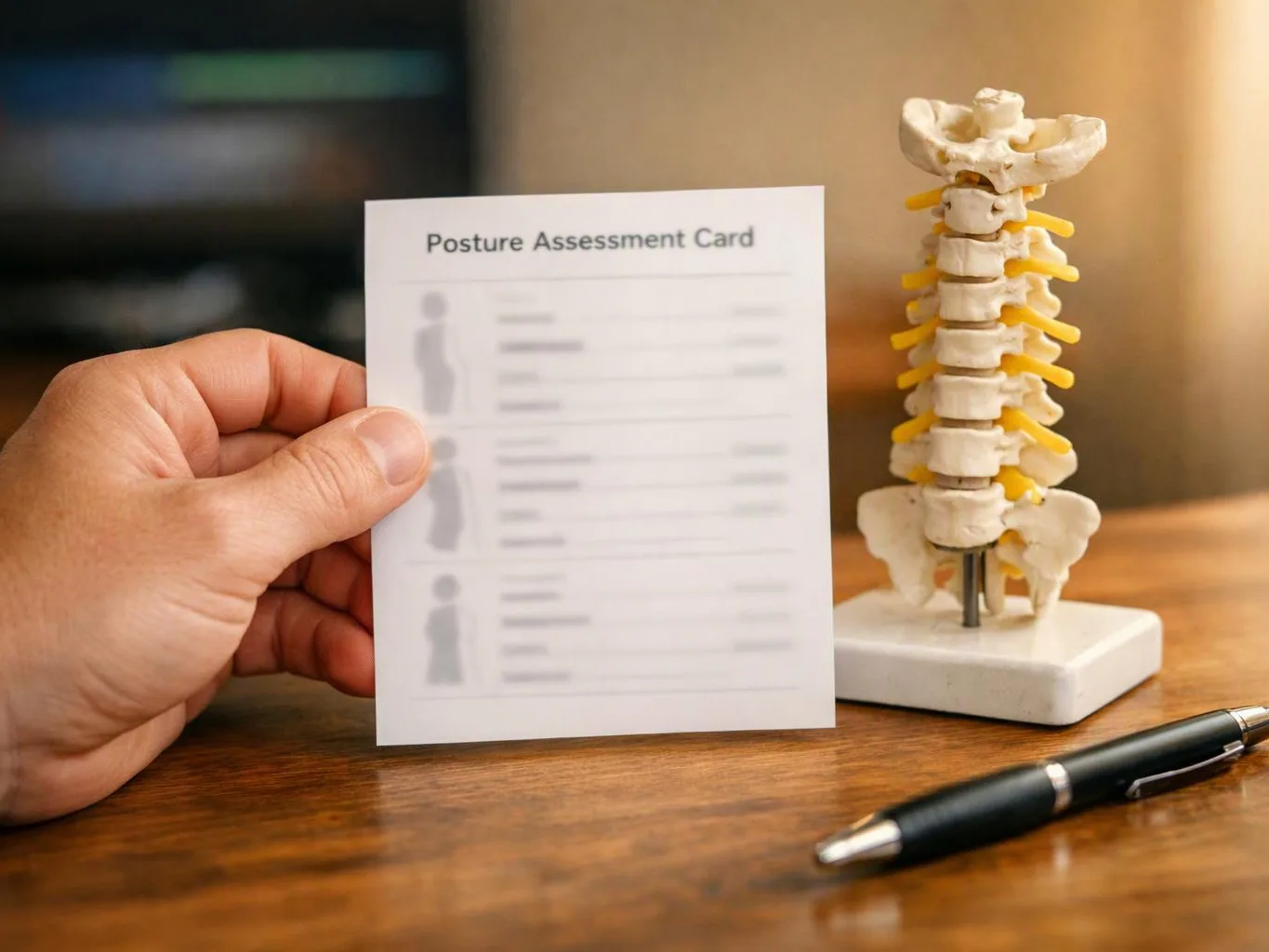
The first assessment checks jaw motion, neck movement, posture, soft tissue tension, and symptom patterns. We also review clenching, chewing discomfort, headaches, and past injuries. These findings help us decide whether chiropractic care fits. X-rays may be considered when clinically indicated, but they are not automatic for every patient.
What should be checked before jaw care is scheduled?
A health history and focused examination should come before a treatment plan. We check symptoms, jaw movement, neck motion, posture, injuries, and factors that could need dental or medical care. The findings guide the recommendation. Patients receive clear explanations before deciding whether to schedule treatment.
Who is a good fit for jaw care, and who needs a different service?
People with jaw tension, movement limits, clicking, or related neck discomfort may fit chiropractic care. Severe trauma, infection signs, major swelling, tooth problems, or unexplained neurological symptoms need medical or dental evaluation. Our team discusses fit after the assessment. Individual response differs because jaw symptoms have different causes.
How does posture affect jaw tension during daily activities?
Posture can change head and neck position, which may add strain around the jaw and chewing muscles. We assess posture with jaw and neck movement instead of viewing the jaw alone. Guidance may include sitting changes, breathing practice, and movement habits. The advice is based on the patient’s findings and daily goals.
Which care approach may help jaw clicking with neck tightness?
Jaw mobilization with neck and soft tissue assessment may help when movement and muscle tension contribute to clicking. We first check the jaw’s path, neck motion, posture, and symptom pattern. Dental assessment remains important when the click relates to teeth, bite changes, or joint concerns outside chiropractic care.
Why do breathing exercises appear in a jaw care plan?
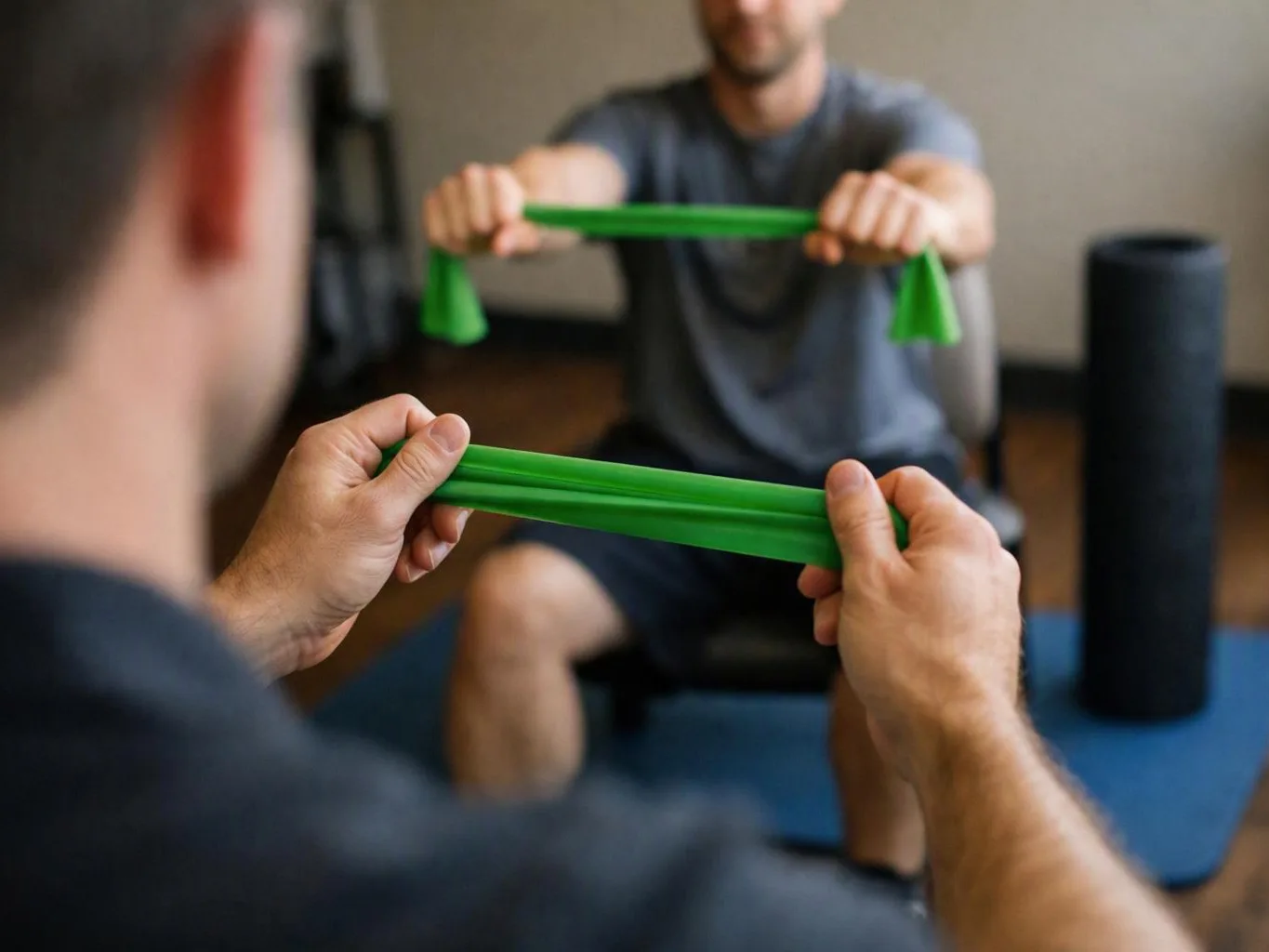
Breathing exercises may help patients reduce jaw bracing and notice tension during daily activities. We connect breathing guidance to the exam rather than assigning the same exercise to everyone. Care can also address posture, soft tissue tension, and jaw movement. Patients receive instructions that match their comfort and goals.