Can TMJ treatment reduce jaw pain, clicking, and tension?
Jaw mobilization may reduce jaw pain, clicking, and tension for some patients. Arrowhead Clinic Chiropractor Marietta checks jaw movement, neck motion, posture, and muscle tightness before recommending care. Treatment may include soft tissue therapy, spinal adjustments, posture guidance, or breathing exercises. Individual response differs, and the exam helps determine whether this approach fits.
What should be ready before jaw treatment starts?
A health history, symptom list, and injury details help us begin jaw treatment safely. Bring information about when clicking or pain began, what movements trigger it, and any related headaches or neck pain. Dental or medical records can also help when they relate to the concern. We review these details during the first evaluation.
What should I ask before agreeing to jaw treatment?
The care plan should explain what we found, which methods we recommend, and how progress will be reviewed. Ask which symptoms the plan addresses and what signs call for another type of care. Our team explains the reasoning behind soft tissue therapy, adjustments, posture work, or breathing exercises before treatment begins.
Which condition changes the time needed for jaw treatment?
The extent of muscle tension, injury history, and related neck symptoms can change the time needed for jaw treatment. A focused exam helps us decide how much assessment and care discussion your visit needs. We don't promise a fixed timeline because individual response and the cause of symptoms differ.
How does a chiropractor assess jaw clicking?
Jaw clicking is assessed through symptom questions and movement checks of the jaw, neck, and upper back. We also ask about pain, headaches, chewing, and past injuries. The sound alone doesn't explain the cause, so our team considers the full pattern before discussing a personalized care plan.
Why might posture matter when my jaw hurts?
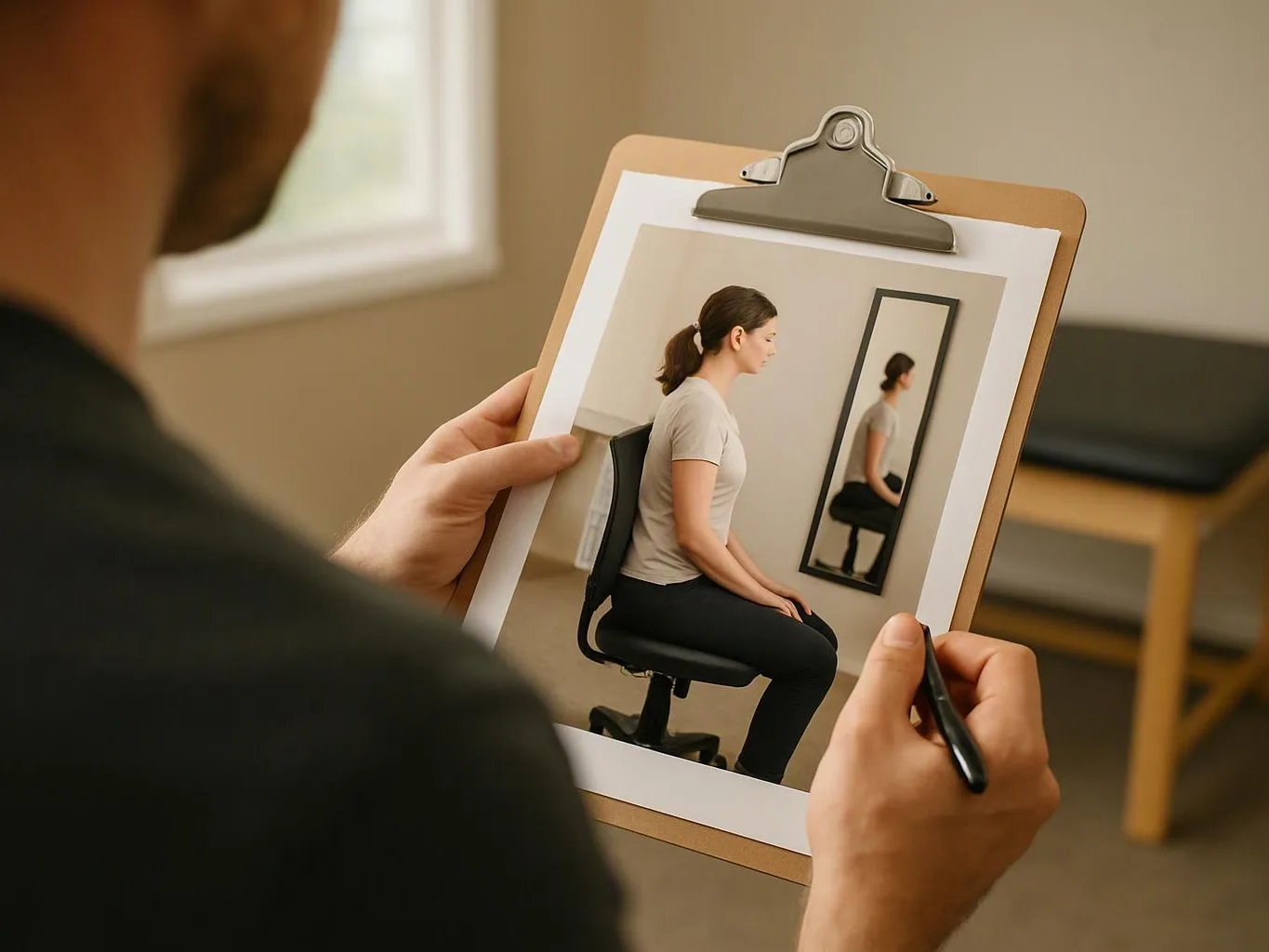
Posture may matter because head and neck position can affect nearby muscles and movement. We check the upper back, neck, and jaw together when symptoms suggest a connection. Our recommendations may include posture guidance, soft tissue therapy, or breathing exercises that support relaxed movement during daily tasks.
Which clinician should I see for a jaw problem?
The right clinician depends on the cause and severity of the jaw problem. We can assess movement-related discomfort and explain whether chiropractic care fits. Dental symptoms, severe injury, or signs of a serious medical issue may call for a dentist or medical clinician instead.