What methods are used for posture correction?
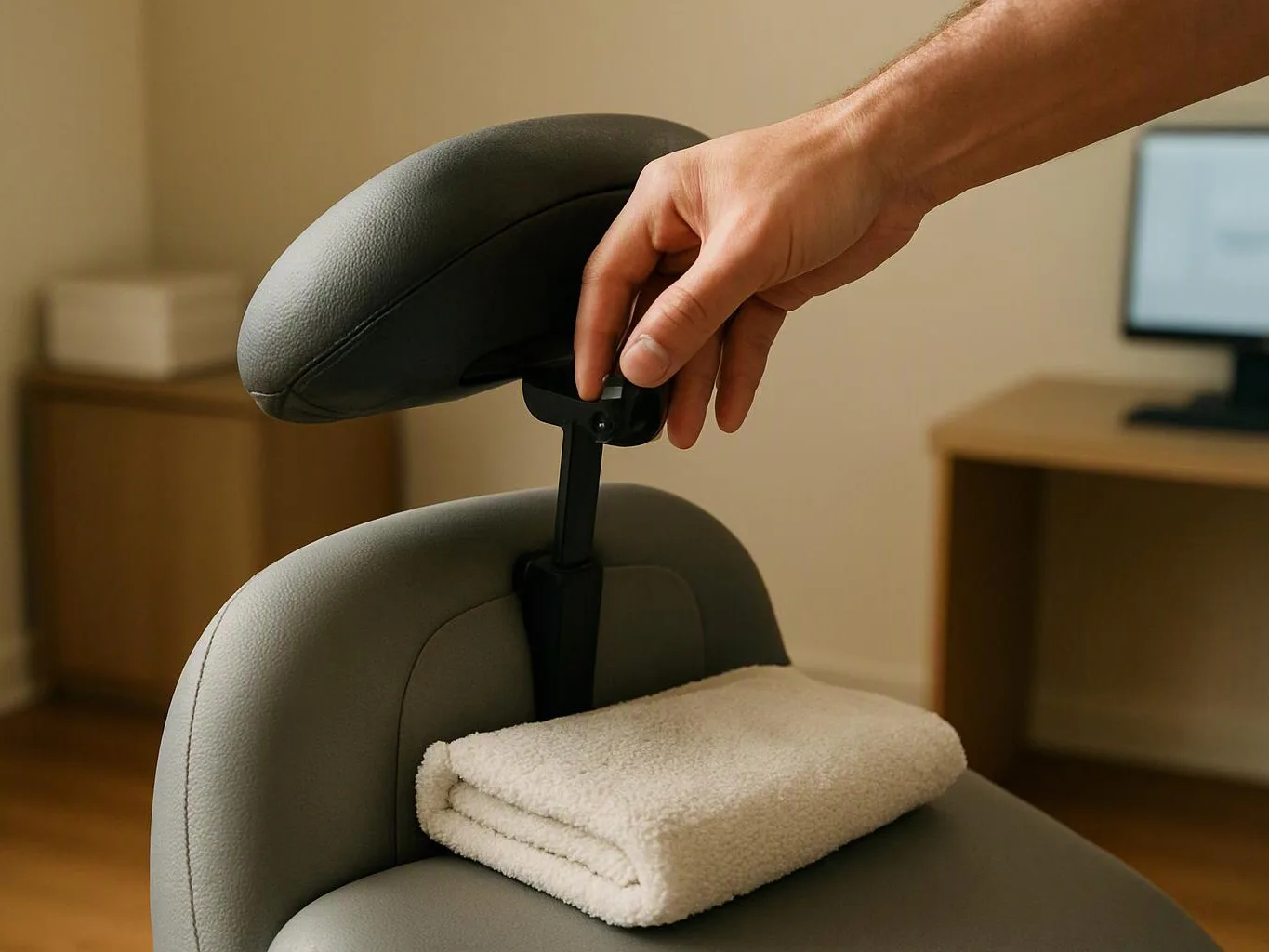
Ergonomic coaching, postural exercises, spinal adjustments, and stretching routines are common methods we may use. The first visit reviews posture, mobility, symptoms, and daily activities. Our team then explains which methods fit your findings. Soft tissue therapy and wellness guidance may also support the plan when they match your needs.
How do I know whether posture care fits my symptoms?
An evaluation determines whether posture-focused care fits your symptoms and movement goals. The health history and exam review pain, mobility, posture, and daily habits. Neck pain, back pain, headaches, and joint discomfort may need different approaches. We also discuss whether another form of medical care should come first.
Which part of my daily routine can change the care plan?
Daily positions and repeated movements can change the care plan. Desk work, driving, lifting, exercise, and sleep habits may place different demands on the spine. We ask what you do and when symptoms appear. Those details help us choose exercises, stretches, adjustments, or wellness guidance.
What does the first posture evaluation include?
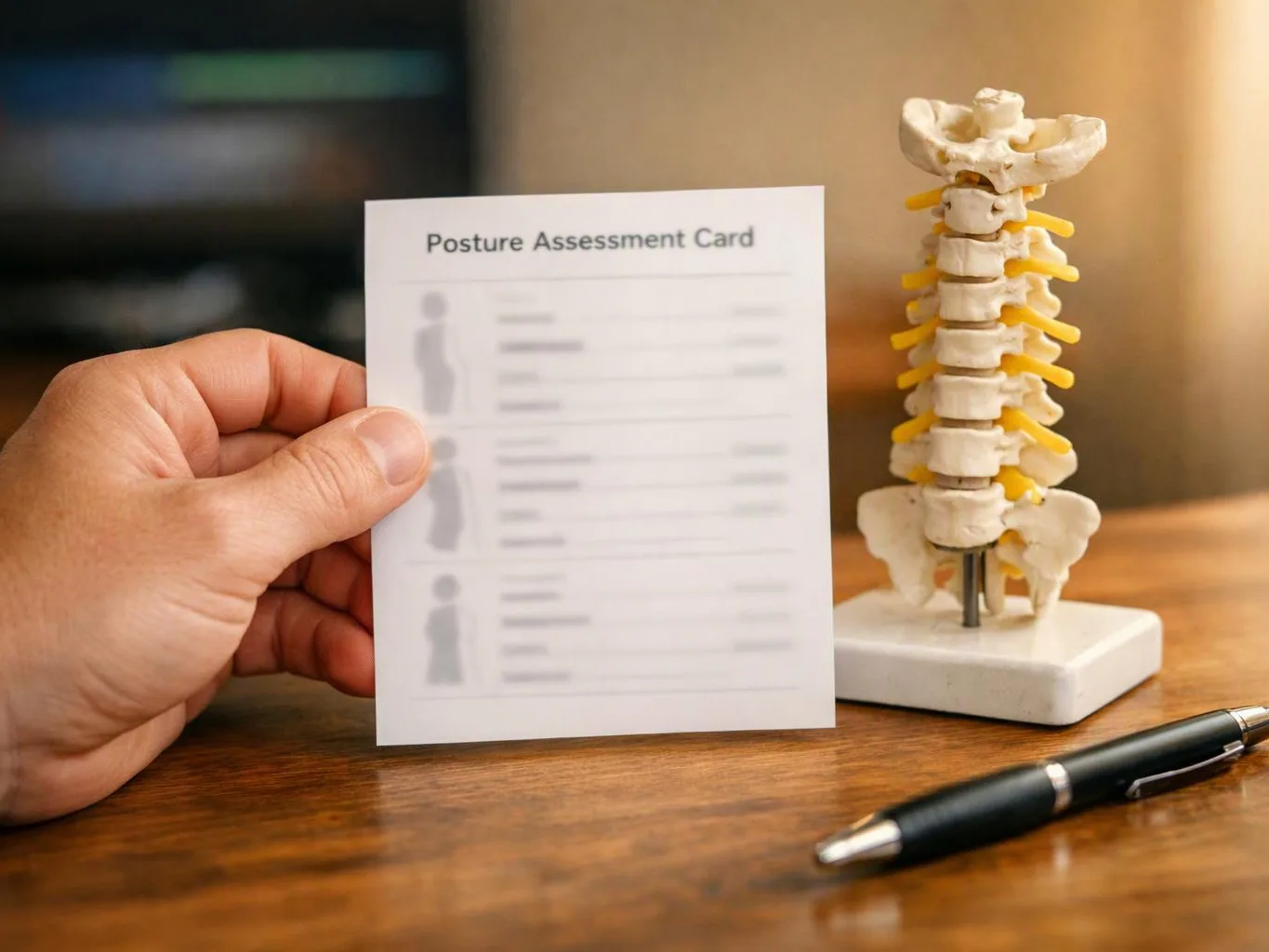
The first evaluation includes a new patient intake, health history, exam, and discussion of your goals. We check posture, spinal motion, mobility, and related muscle tension. X-rays are considered if clinically indicated. After the assessment, we explain the findings and recommended next steps.
Why might stretching alone not address my posture concern?
Stretching alone may not address restricted joint motion, muscle weakness, or habits that keep symptoms returning. We look at the full movement pattern before suggesting a routine. Spinal adjustments, postural exercises, and soft tissue therapy may address different findings when they fit the examination.
How does the recommended care change after an injury?
Injury-related posture concerns require a health history and exam before care is planned. Whiplash, work injuries, and daily activity injuries can affect movement in different ways. We assess the affected areas and explain whether adjustments, soft tissue work, exercises, or other medical input should guide the next step.
Can posture exercises support care between visits?
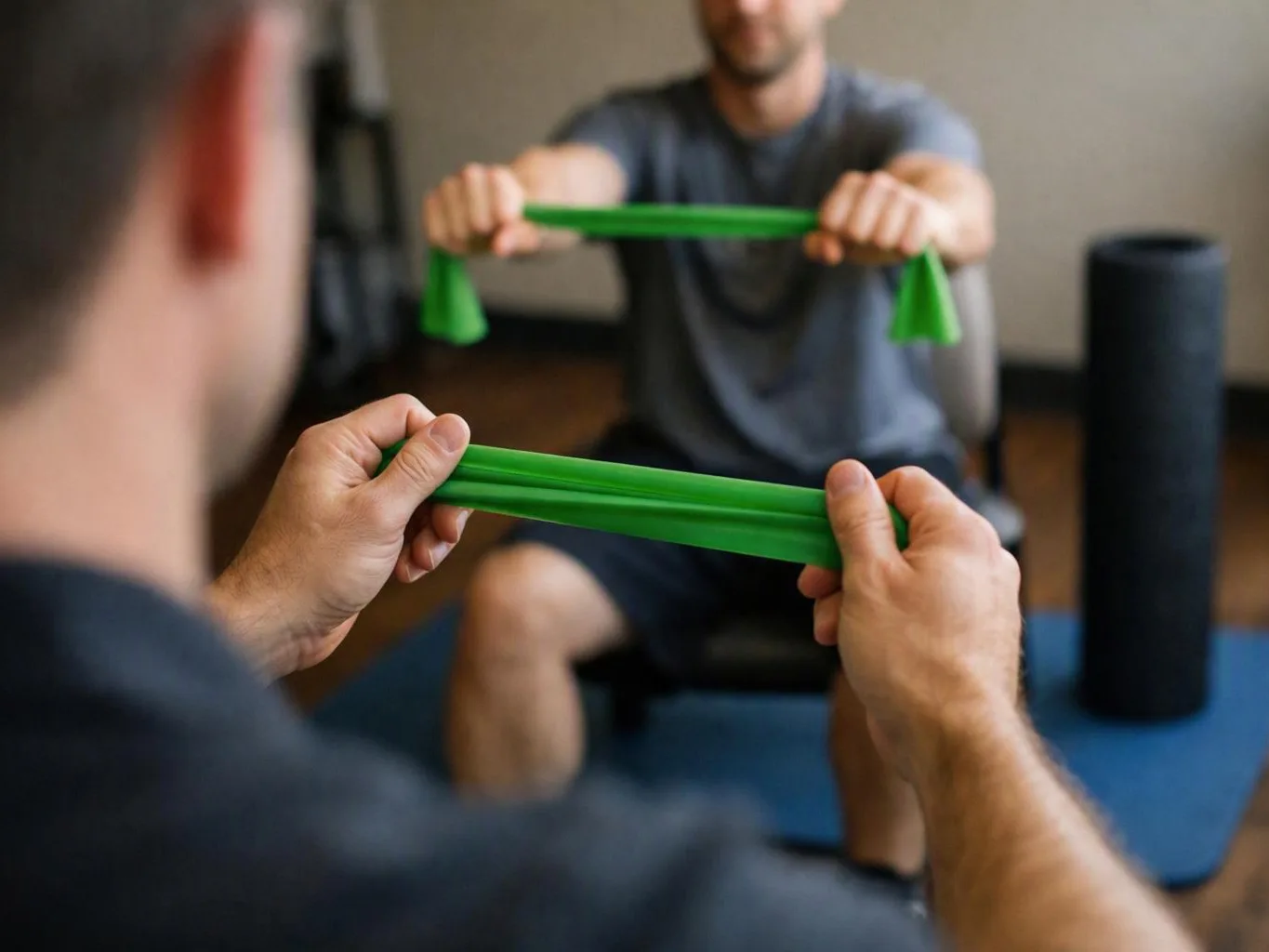
Posture exercises can support movement practice between visits when they match the patient’s findings. We discuss the purpose of each exercise and how it relates to daily activity. Stop any movement that causes sharp or worsening symptoms, and bring that change to the next visit for review.