What methods are used for posture correction?
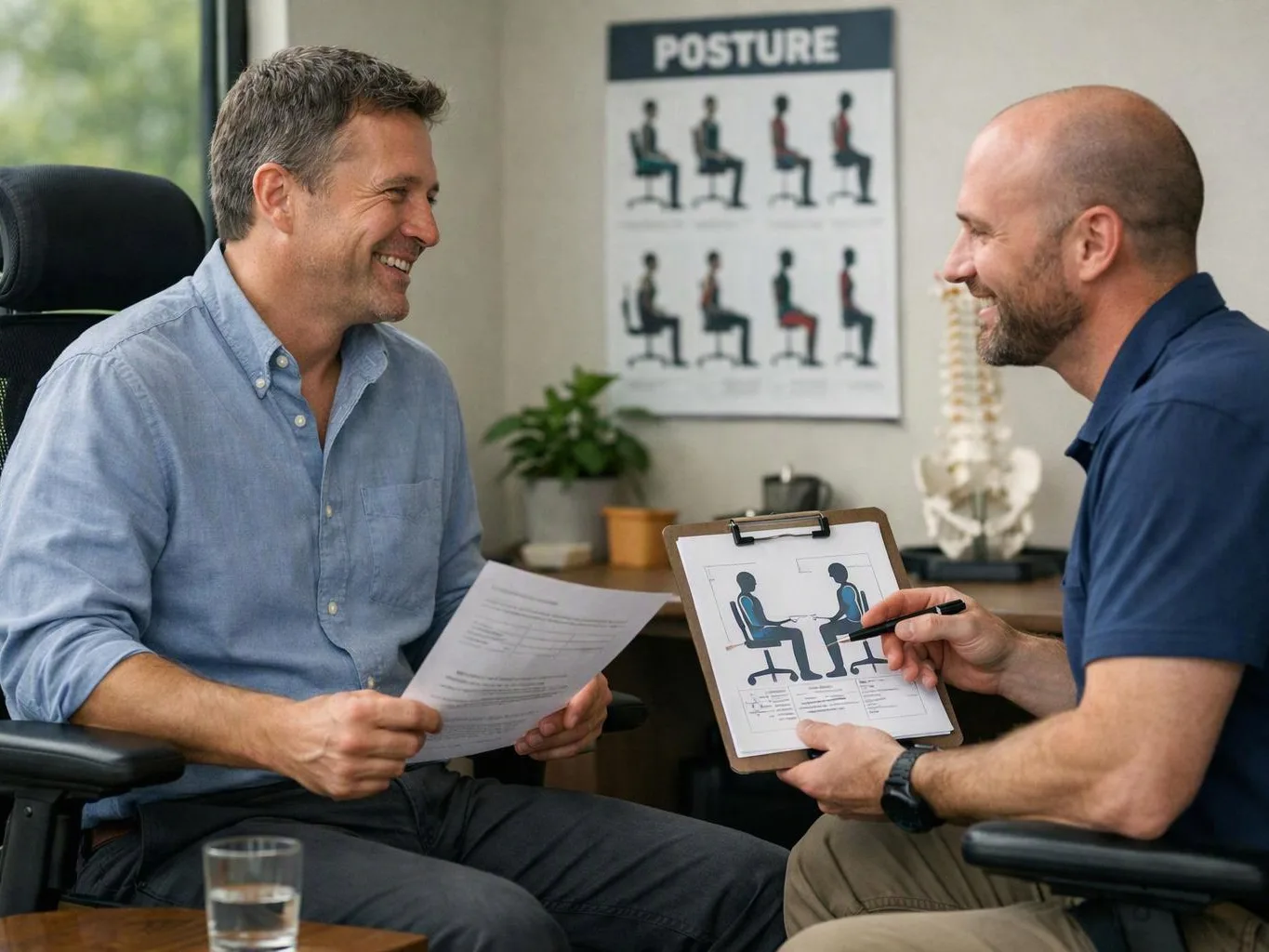
Ergonomic coaching, postural exercises, spinal adjustments, and stretching routines are common methods. Arrowhead Clinic Chiropractor Marietta selects care after reviewing your health history, movement, symptoms, and goals. Soft tissue therapy may also be considered when muscle tension affects motion. The plan explains why each method is recommended and how it fits your daily activities.
How does a posture visit move from the first call to the last step?
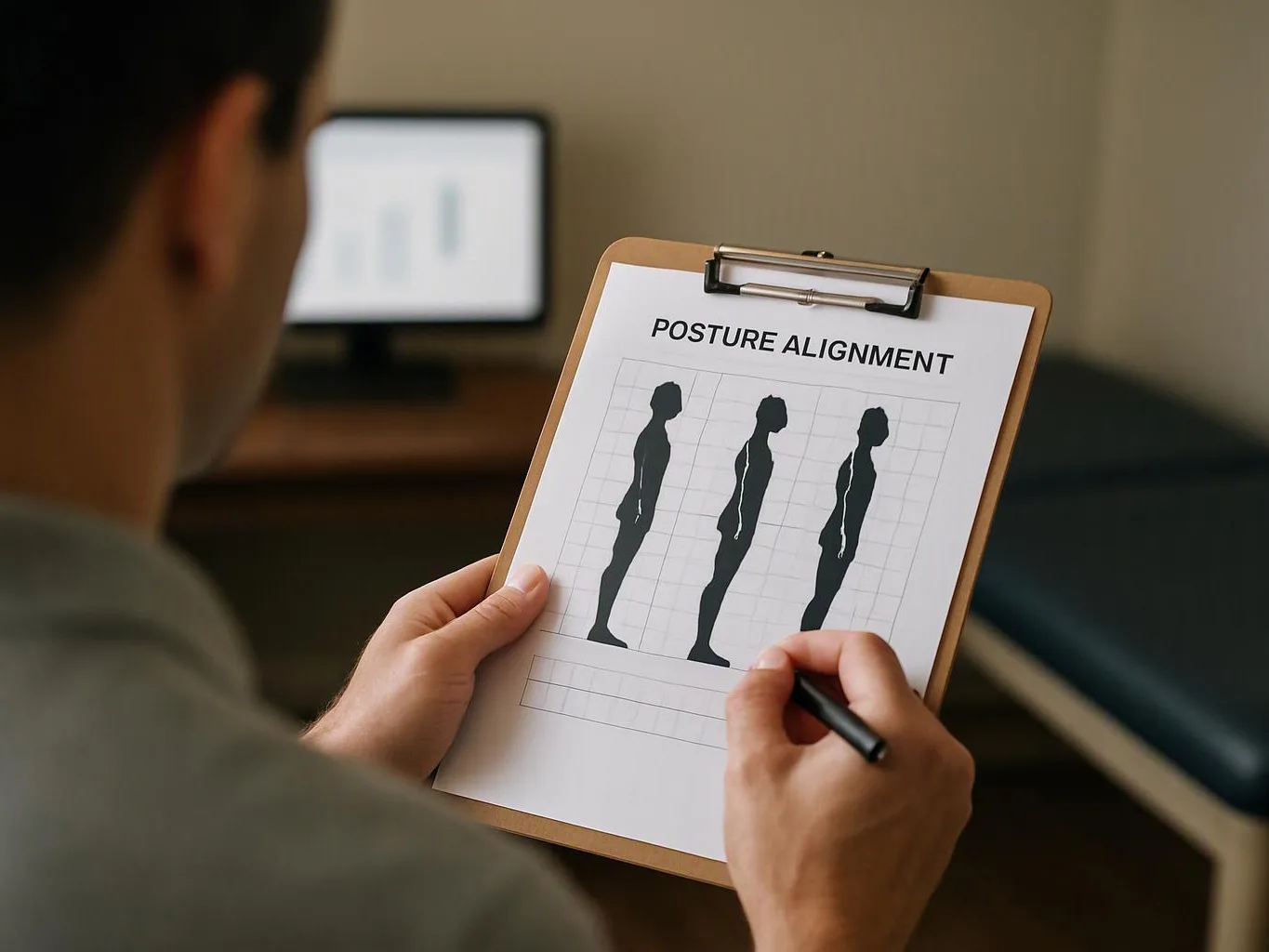
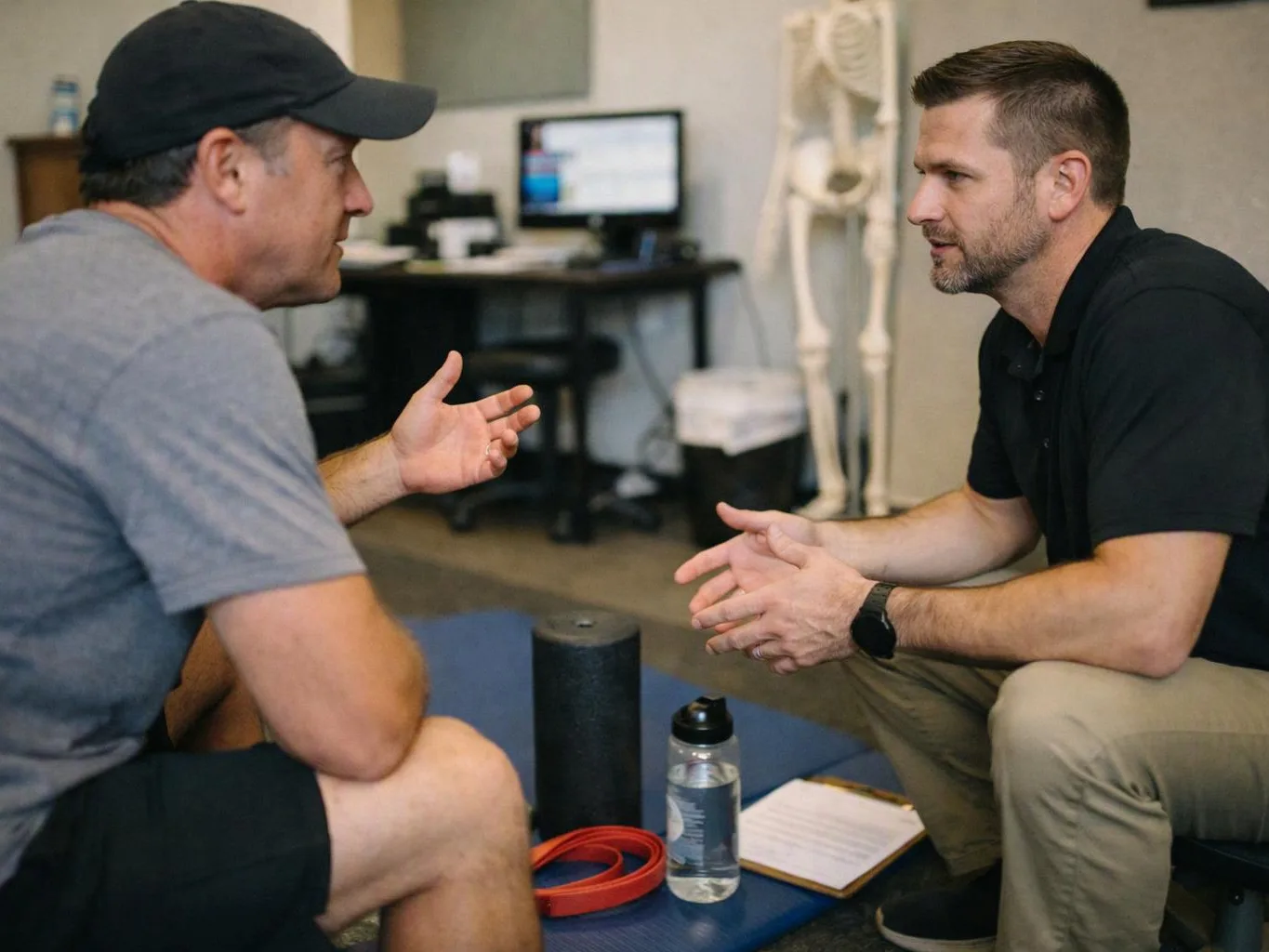
The visit moves from intake and examination to findings, treatment planning, and progress review. Your health history comes first, followed by checks of posture, spinal motion, muscle tension, and symptoms. We then explain suitable care, which may include exercises or adjustments, and review the plan as your response develops.
Which part of my daily routine decides the posture care plan?
Your repeated positions help shape the posture care plan. Desk work, driving, lifting, exercise, sleep position, and standing habits may each affect movement and symptoms. We ask about those activities during the health history and connect them with exam findings before recommending exercises, stretching, or hands-on care.
Can posture care include exercises I do at home?
Yes, posture care may include home exercises and stretching routines. The exercises depend on your movement, strength, flexibility, symptoms, and care goals. We explain the purpose of each activity and how it supports the broader plan. Regular maintenance guidance may be discussed when ongoing spinal support fits your needs.
How can I tell whether posture care fits my symptoms?
Posture care may fit symptoms linked to repeated positions, restricted movement, muscle tension, or poor movement habits. The health history and exam help us assess that fit. New, severe, or changing symptoms may call for another medical evaluation, and we discuss that concern when the findings suggest it.
What should I bring to a first posture appointment?
Your symptom history, current health information, medication details, and injury records can help with the first evaluation. Notes about work positions, exercise, driving, and sleep may also clarify your daily pattern. Bring questions about adjustments, exercises, stretching, and care goals so the discussion stays focused on your needs.