How does treatment support recovery after a collision?
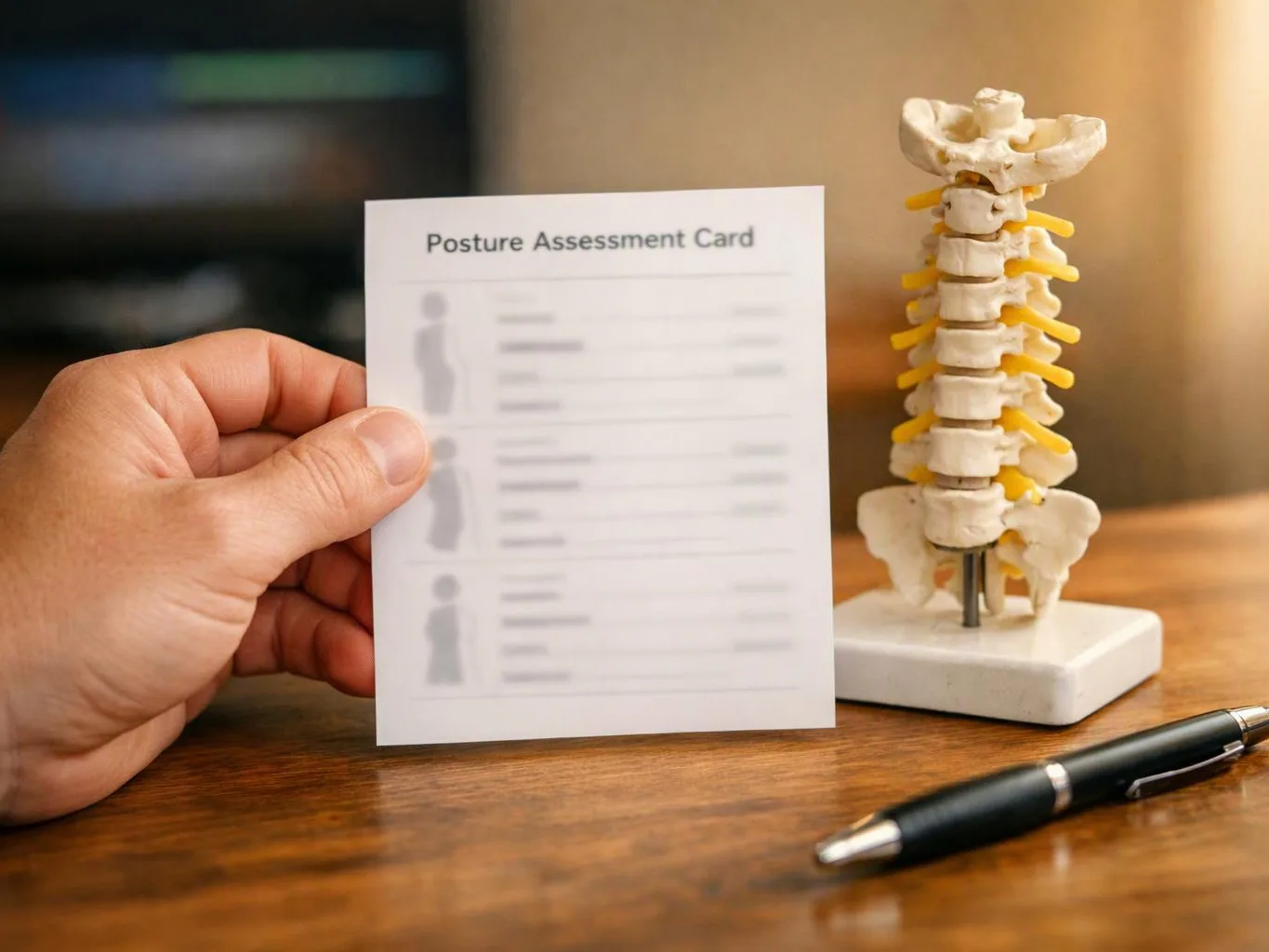
Mobility training supports recovery by helping you work on movement after a collision. The first visit checks symptoms, range of motion, and health history. Our plan may include spinal adjustments, therapeutic exercise, soft tissue therapy, or spinal decompression. We explain how each step fits your findings, and individual response differs.
What should be ready before treatment starts?
Your health history, symptom details, and collision information help us begin the assessment. Bring any records you already have, plus a list of current concerns. We use that information with the exam to shape care. You don’t need to decide on a treatment method before the consultation.
Which part of care changes the price?
The assessment and selected treatment methods are the main factors that shape cost. A plan with adjustments, soft tissue therapy, or decompression may differ from one focused on exercise and wellness guidance. We discuss the recommended care during the consultation and offer free consultations.
When should I ask whether chiropractic care fits?
A consultation is the right place to ask whether chiropractic care fits your symptoms and goals. The exam reviews movement, pain, health history, and signs that need another type of medical attention. We explain the findings before recommending adjustments, exercise, soft tissue work, or other care.
Why might symptoms change after a crash?
Symptoms may change because muscles, joints, and movement patterns can react after a collision. Neck pain, headaches, back pain, and sciatica can affect daily activity in different ways. Our assessment looks at the full pattern, then connects treatment recommendations to the findings and your stated goals.
What should a customer ask before agreeing to care?
Customers should ask what the exam found, which methods are recommended, and how progress will be reviewed. Those questions clarify the role of adjustments, exercise, soft tissue therapy, or decompression. We explain the treatment plan and its purpose before care begins, so you can make an informed decision.
How is care matched to my symptoms?
Your health history and examination findings guide the treatment plan. We consider pain location, range of motion, muscle tension, daily limits, and your goals. The plan may use one method or several methods, and recommendations can be reviewed as your symptoms and movement change.