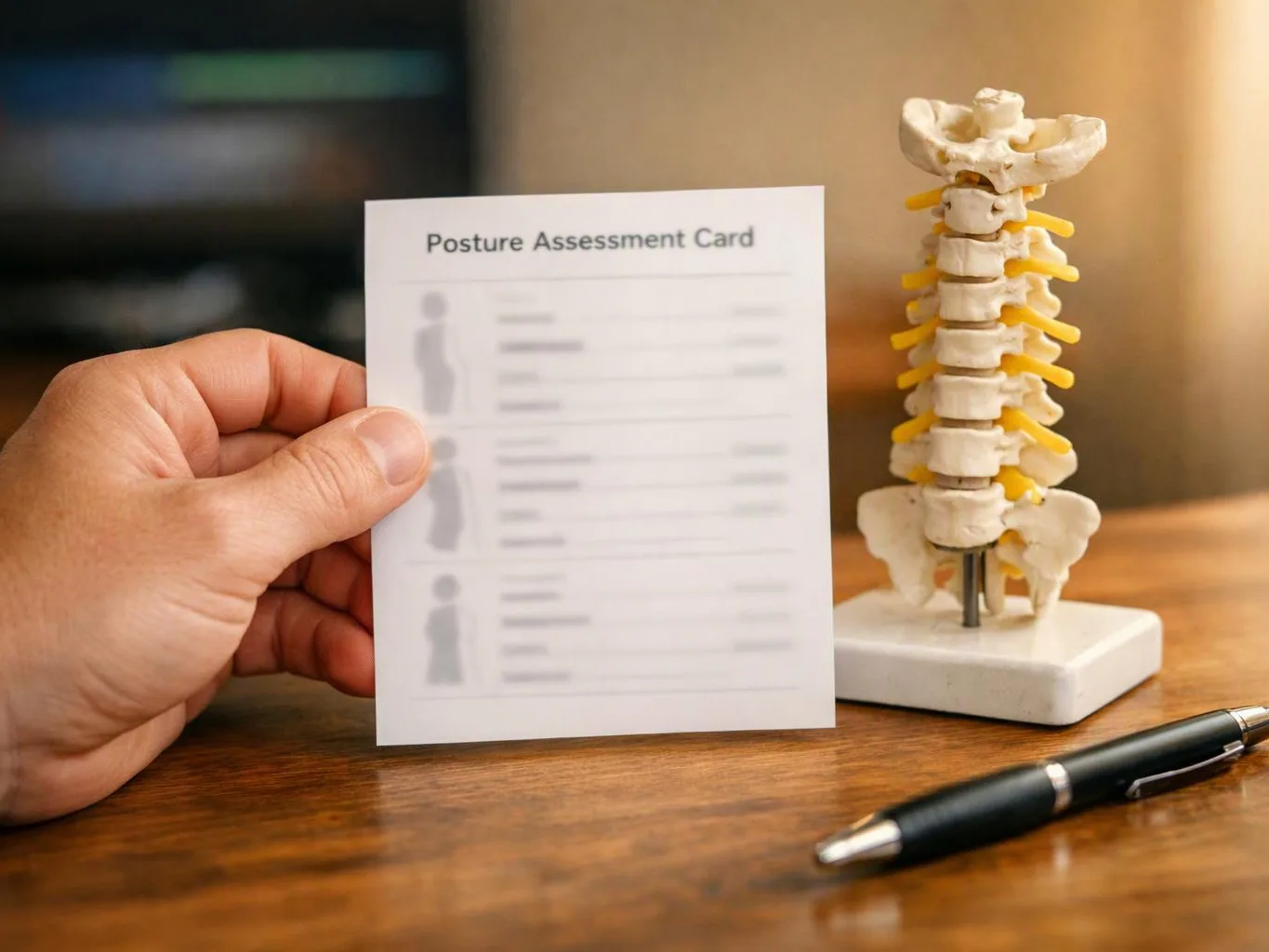
What causes poor posture?
Weak muscles often cause poor posture, especially when screen use, tight muscles, or improper seating reinforce the pattern. Our evaluation checks how your spine, joints, and muscles move together. Arrowhead Clinic Chiropractor Marietta then explains whether corrective chiropractic care, soft tissue therapy, home guidance, or another step fits your findings.
How is care matched to my body before treatment starts?
A health history and movement exam match care to your symptoms, habits, and goals. The assessment reviews spinal motion, joint function, muscle tension, and posture during movement. We explain the findings before recommending spinal adjustments, soft tissue therapy, or corrective care.
What should I ask before agreeing to posture care?
Ask which findings support the recommended care and what each treatment is meant to address. You should also ask about home guidance, progress checks, and when another medical evaluation would be more suitable. Clear treatment explanations upfront help you make an informed choice.
Which condition changes the time needed for posture care?
The condition that changes the care time is the complexity of your movement concern and the number of factors found during evaluation. Weak muscles, tight muscles, screen habits, and improper seating may require different attention. We discuss the care sequence after reviewing your health history and movement.
Why might screen use affect my posture?
Screen use may affect posture by keeping the head, neck, and shoulders in one repeated position. The movement assessment checks whether that habit relates to restricted motion or muscle tension. We may discuss screen setup, movement breaks, and corrective care as part of your plan.
When is posture care the wrong service for my symptoms?
Posture care is the wrong first step when symptoms are severe, sudden, or changing and need urgent medical assessment. We review your health history and current symptoms before treatment. If the concern falls outside chiropractic care, we explain that clearly during the evaluation.
Which home habits support posture between visits?
Home habits that support posture include changing positions, reviewing seating, limiting long fixed screen positions, and following the guidance discussed during care. Your plan may include movement advice or simple exercises suited to your findings. We adjust that guidance when your goals or symptoms change.