
What Is Electromyography?
Electromyography is a test that records electrical activity in muscles to help assess muscle and nerve function. A clinician uses the findings alongside symptoms and an exam to investigate problems such as weakness or numbness. The results can help show whether a muscle is receiving signals from its nerve.
Quick Facts About Electromyography
- Category
- Muscle and nerve testing
- Used for
- Assessing muscle and nerve function
- Common confusion
- Nerve conduction study
- Also called
- EMG
- Often discussed with
- Carpal Tunnel Syndrome Treatment
Key Takeaways About Electromyography
- Needle EMG examines activity within a muscle.
- Test results gain meaning alongside your symptoms and exam.
- EMG and a nerve conduction study aren't the same test.
How Electromyography Works
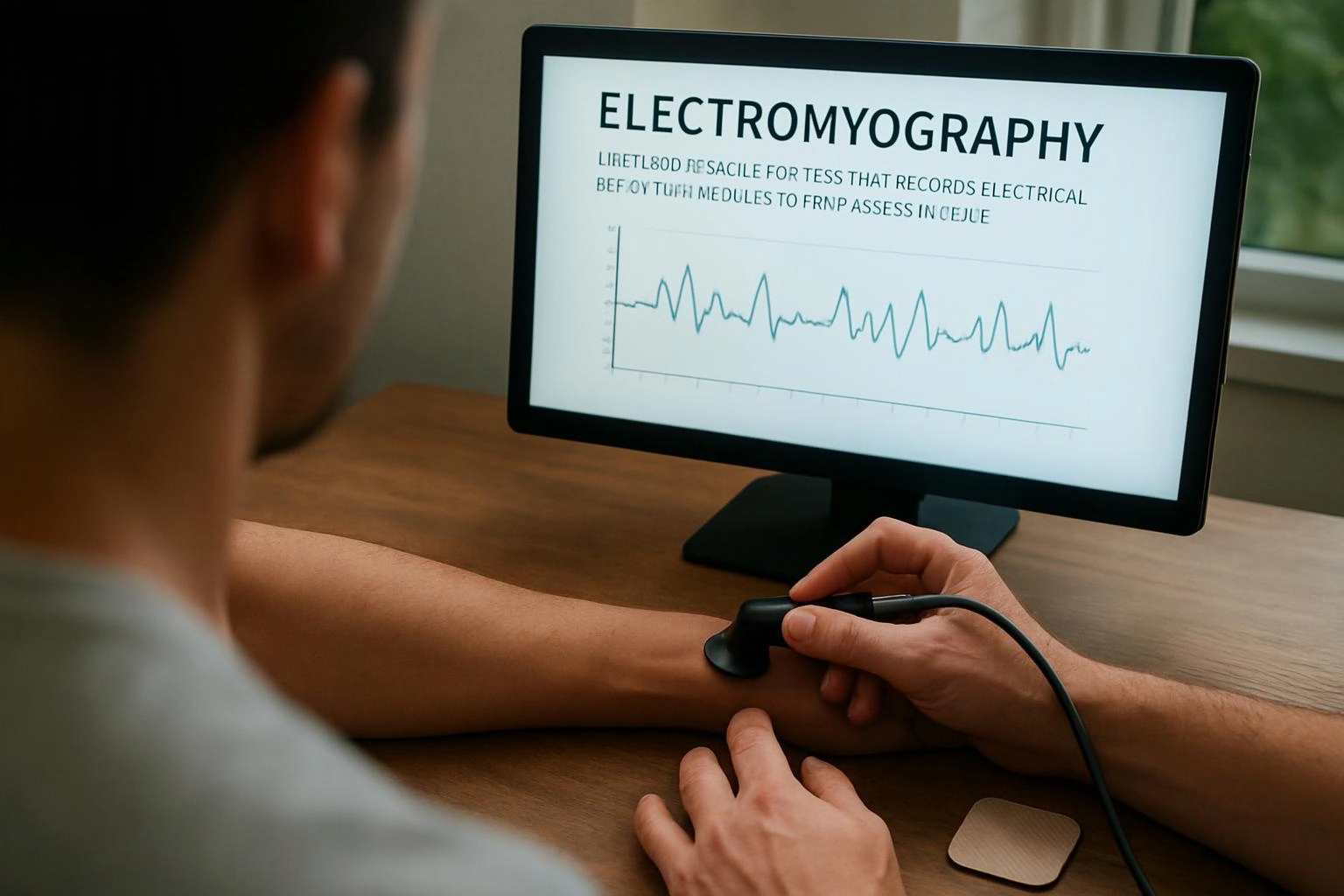
During electromyography, a clinician places a thin needle electrode into a selected muscle. The electrode picks up electrical signals while the muscle rests and contracts. A machine displays those signals for the clinician to interpret. Related service: Carpal Tunnel Syndrome Treatment.
Related glossary terms: Median Nerve, Nerve Compression, Repetitive Strain Injury.
A nerve conduction study often accompanies EMG, but it measures a different response. Small electrical pulses stimulate a nerve, and sensors record the response. Together, the findings can help identify where a nerve problem may be affecting function.
For suspected carpal tunnel syndrome, the clinician may examine muscles linked to the median nerve. The pattern of results can help distinguish a wrist problem from a problem elsewhere. Test findings don't stand alone, so the clinician also considers the physical exam and symptoms.
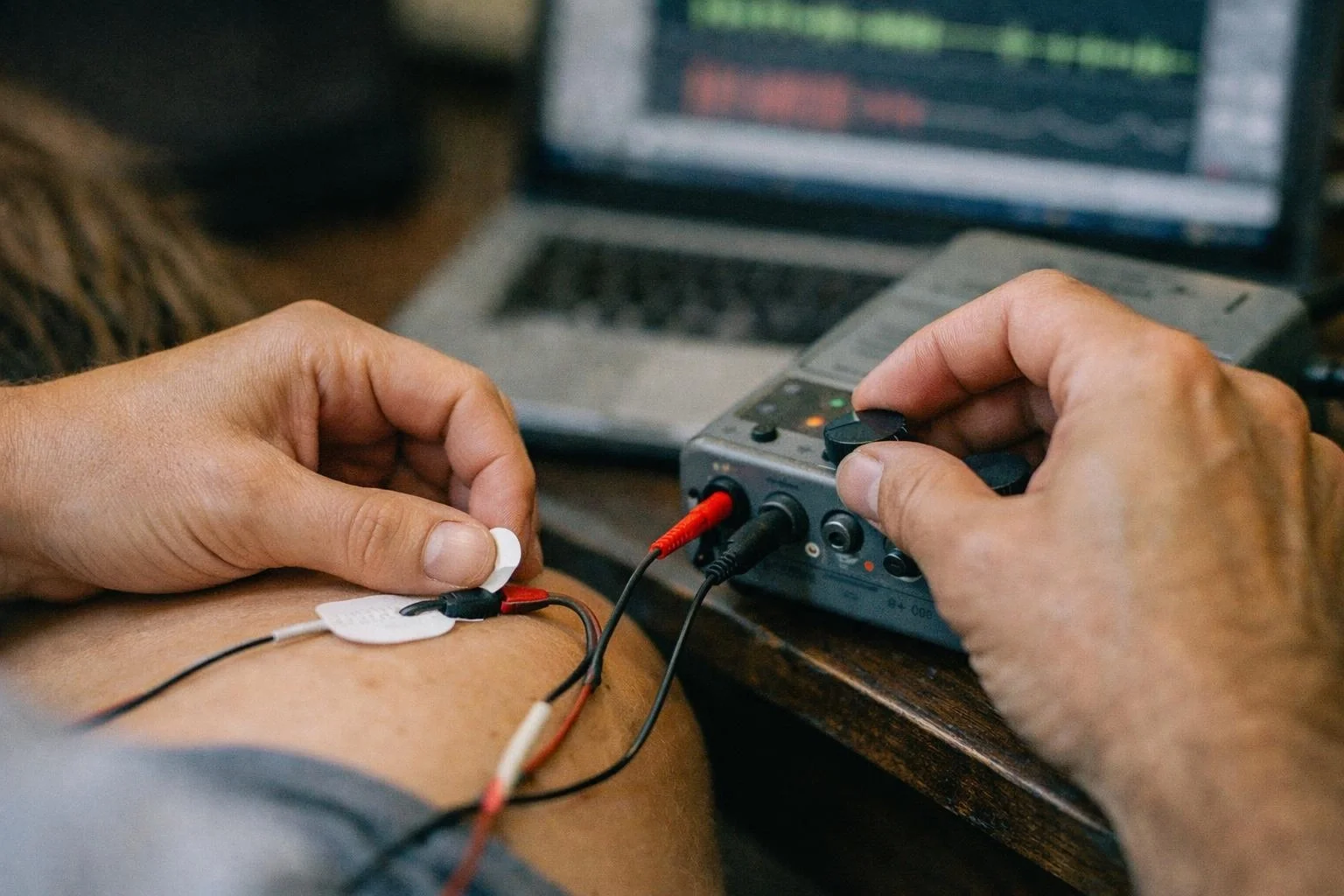
From the Arrowhead Clinic Chiropractor Marietta team
When we discuss carpal tunnel symptoms, we consider where you feel numbness and whether you have weakness. We also review any EMG report you bring alongside your exam findings. The report can add context to the discussion of your care.
Electromyography in Practice: A Real-World Example
A person seeking carpal tunnel care has numbness in the thumb and trouble gripping objects. An EMG report helps the care team consider the muscle findings alongside the person's symptoms and exam.
Related Services
Related Terms
Median Nerve
The median nerve is a nerve that carries signals between the arm and hand and the brain.
Nerve Compression
Nerve Compression is pressure on a nerve from nearby tissue, such as a spinal disc, bone, or muscle.
Repetitive Strain Injury
A repetitive strain injury is an injury linked to repeated movements or sustained strain on part of the body.
Arrowhead Clinic Chiropractor Marietta
Have Questions About Electromyography?
Contact Arrowhead Clinic Chiropractor Marietta for practical guidance on Electromyography and related chiropractor work in Marietta.