What techniques are used during trigger point therapy?
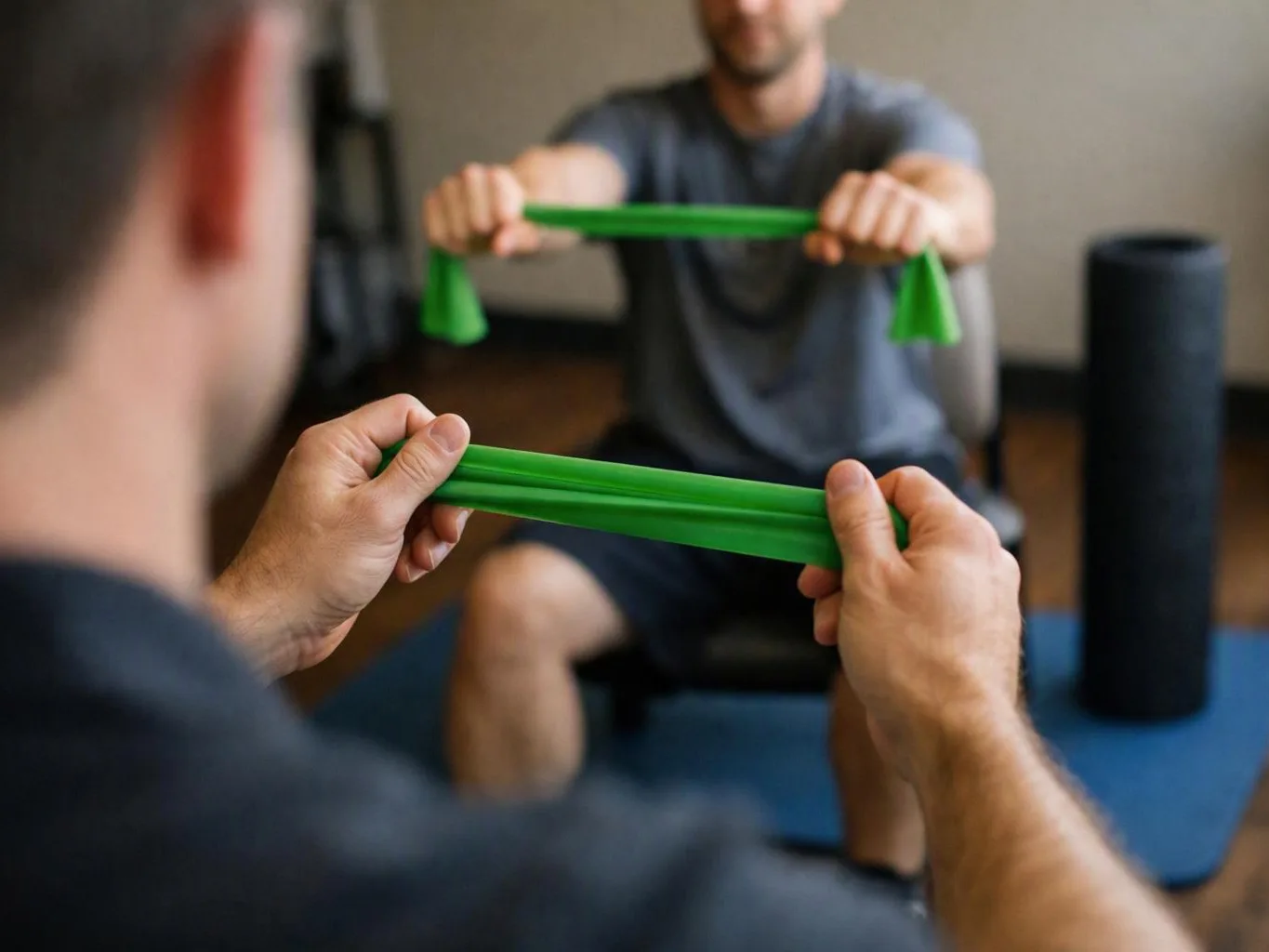
Stretching supports movement, while manual pressure targets tender muscle points. Soft tissue therapy addresses nearby tissue, and dry needling may fit selected care plans. Arrowhead Clinic Chiropractor Marietta reviews your health history and movement first, then explains the recommended technique. The treatment choice depends on your symptoms, goals, and assessment findings.
How does a trigger point therapy visit move from the first call to the last step?
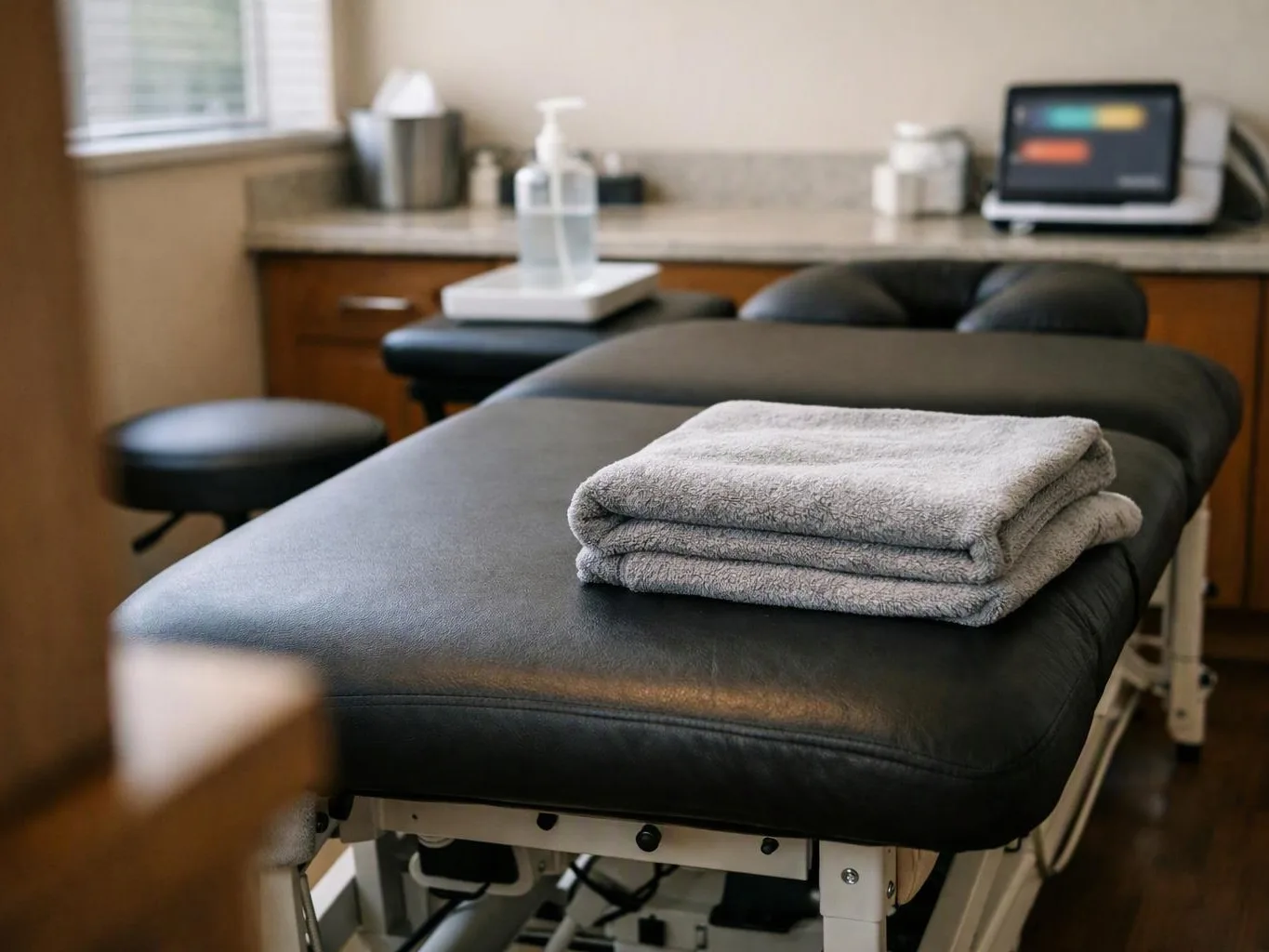
The visit moves from an intake and health history to an exam, focused treatment, and follow-up guidance. We first discuss your symptoms and goals. The exam checks motion and tenderness. Manual pressure, soft tissue therapy, or dry needling may follow when suitable. We then explain home movement and the next care step.
Which part of the body decides the scope of treatment?
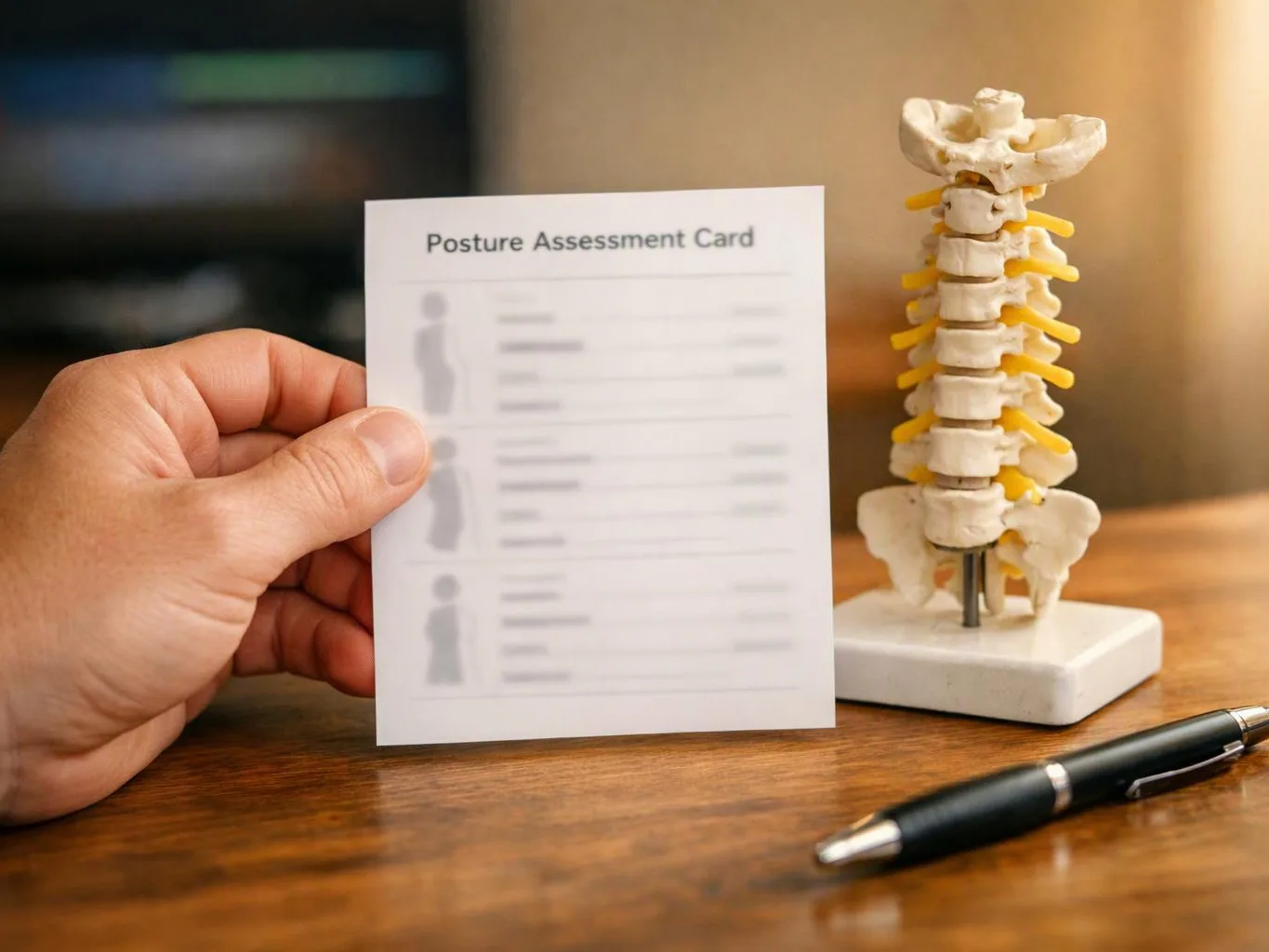
The affected muscle area and its related movement pattern decide the treatment scope. We check the tender point, nearby soft tissue, range of motion, and symptoms during the exam. A single area may need focused care, while related symptoms may call for a broader chiropractic assessment. The plan follows those findings.
How can I tell whether trigger point therapy fits my symptoms?
Trigger point therapy may fit focused muscle tenderness that changes with movement or pressure. A health history and exam help us check that pattern. Symptoms after an injury, repeated activity, or daily strain may warrant an assessment. Severe or unexplained symptoms may need medical evaluation before hands-on treatment.
Why might a muscle stay tight after stretching?
A muscle may stay tight when a tender point, nearby soft tissue issue, or repeated movement keeps loading it. Stretching alone may not address the full pattern. We check motion and tenderness, then explain whether manual pressure, soft tissue therapy, or another care option fits. Individual response differs.
What should I bring to a first visit after an injury?
Bring injury details, a list of current symptoms, and any medical records you already have. The health history helps us understand when symptoms began and what movements affect them. Share details about an auto accident, work injury, or sports strain. We use that information with the exam to plan suitable care.
What part of the visit changes the cost?
The assessment findings, number of areas involved, and techniques selected influence the cost. Manual pressure, soft tissue therapy, and dry needling may require different care decisions. We explain the recommended plan during Free Consultations. You can ask what each step addresses before choosing care.