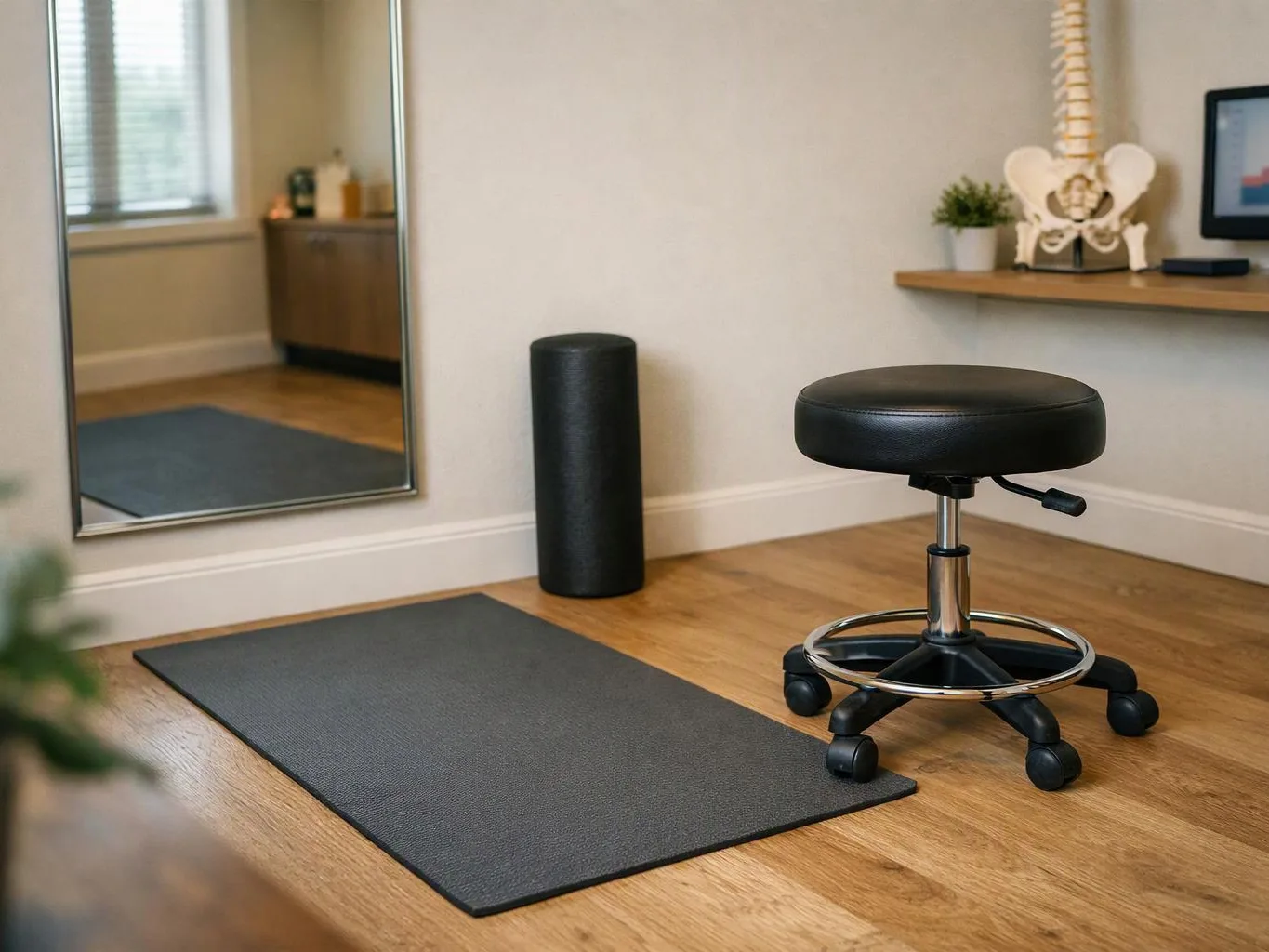
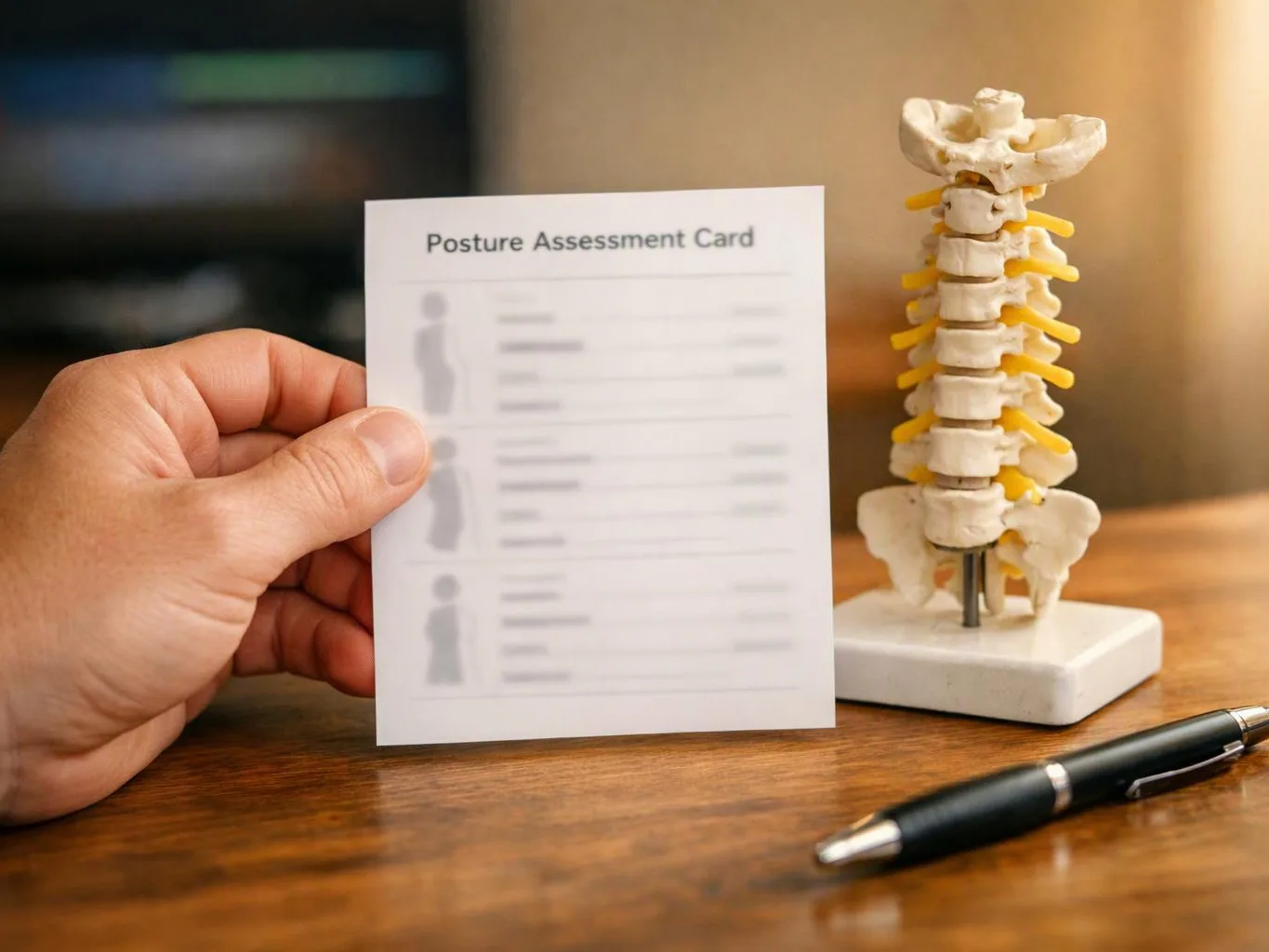
How can spinal curvature affect posture and movement?
Spinal curvature can affect shoulder balance, pelvic position, muscle use, and comfortable movement. Our exam looks at posture and mobility together. We also ask how symptoms affect work, exercise, sleep, or daily tasks. That information helps us explain whether spinal adjustments, soft tissue therapy, or another care option fits.
What happens during the first visit?
The first visit includes a new patient intake, health history, examination, and discussion of your goals. We check posture, spinal motion, muscle balance, and movement limits. After the assessment, our team explains the findings and suitable care options. X-rays may be considered when clinically indicated.
Which part of my body decides the treatment scope?
Posture, spinal movement, pelvic position, and muscle balance help determine the treatment scope. No single body area decides care by itself. We connect the exam findings with your symptoms and goals. This approach helps us choose focused methods and avoid adding care that does not fit.
When should I ask about care for limited mobility?
Limited mobility deserves an assessment when it affects daily tasks, exercise, work, or comfort. Our team reviews the change, checks movement, and asks about related symptoms. New or severe symptoms may need medical evaluation before chiropractic treatment. We explain the safest next step after the exam.
Why might muscle imbalance affect posture?
Muscle imbalance can change how the body supports the spine during standing, walking, and other tasks. Tight or overworked muscles may affect comfortable movement. We assess these patterns with posture and motion checks. Soft tissue techniques and movement guidance may be included when they suit your care goals.
How does a visit move from the first call to the last step?
A visit moves from intake and examination to findings, treatment planning, and follow-up discussion. We first gather your health history and goals. Then we check posture and movement before explaining suitable care. Later visits focus on progress, patient feedback, and practical changes to the plan.
What changes the cost of this care?
The assessment needs, treatment methods, visit needs, and care goals affect the cost of care. A free consultation gives you a chance to discuss those factors with our team. We explain the recommended services before you decide. No general price applies to every patient because care is individualized.