How can prenatal chiropractic care support comfort?
Pelvic alignment can support comfort when movement changes affect the low back and hips. Arrowhead Clinic Chiropractor Marietta checks posture, spinal motion, and symptoms before recommending care. The team explains each option and considers the patient’s health history. Chiropractic care doesn’t replace obstetric treatment, especially for urgent or unusual symptoms.
What should I ask before agreeing to prenatal chiropractic care?
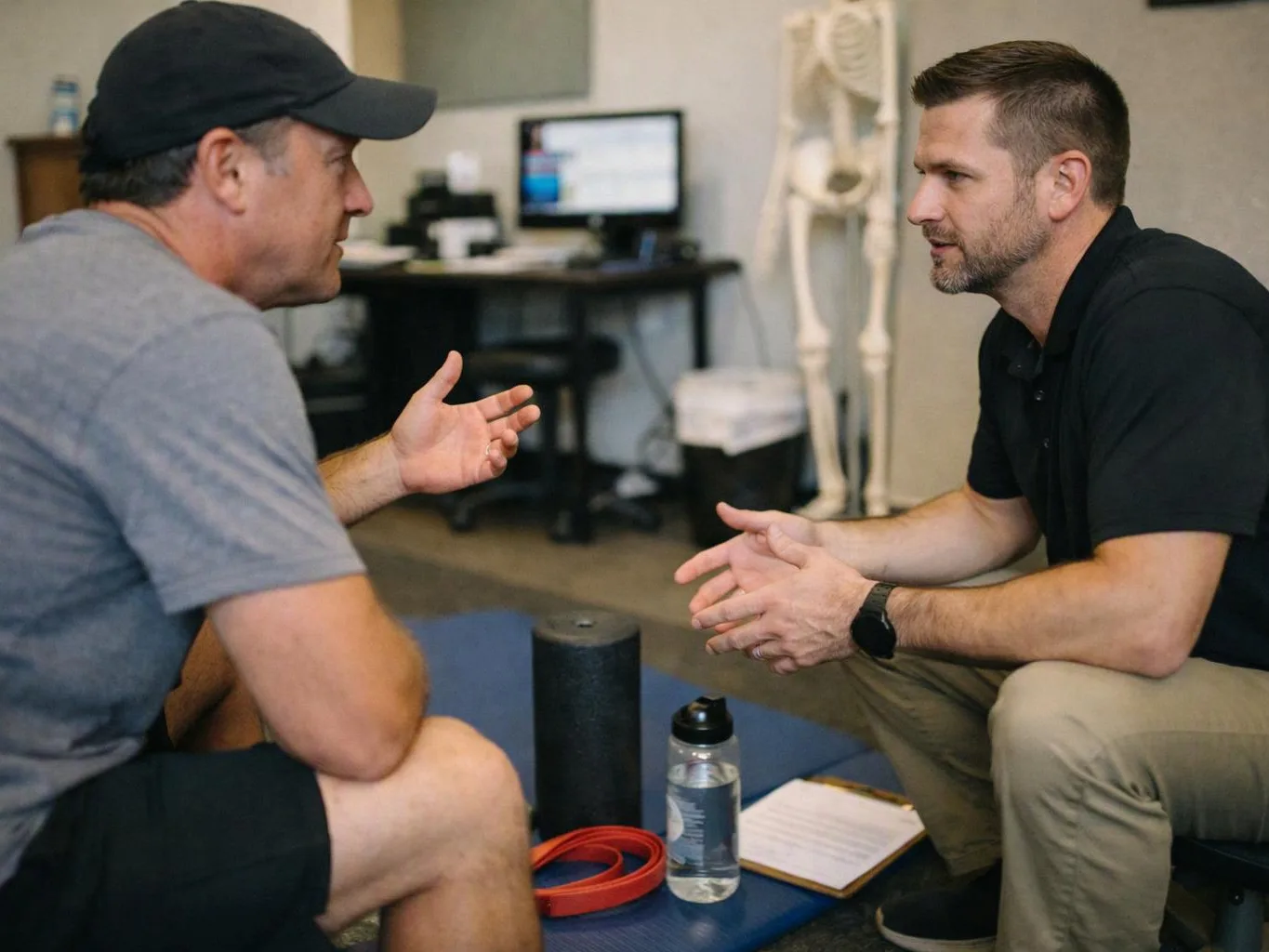
Treatment goals, assessment findings, and care limits should be clear before you agree. Ask which symptoms the plan addresses, which methods are recommended, and when medical care is more suitable. Our team explains spinal adjustments, soft tissue therapy, and wellness guidance in plain language before treatment begins.
Which condition changes the time needed for an assessment?
The patient’s symptoms and health history determine how much assessment the visit needs. Low back pain, hip discomfort, and posture changes may require different movement checks. Activity limits and pregnancy-related concerns also shape the discussion. We review those details first, then explain the next step without promising a fixed duration.
When should pregnancy-related back pain receive medical attention?
Urgent or unusual symptoms should receive medical attention before chiropractic treatment. Severe symptoms, sudden changes, or concerns linked to pregnancy need review by the patient’s medical team. Chiropractic care addresses movement and comfort concerns, but it doesn’t replace obstetric care. Our team can discuss whether an assessment is appropriate after medical guidance.
Why does posture change during pregnancy affect movement?
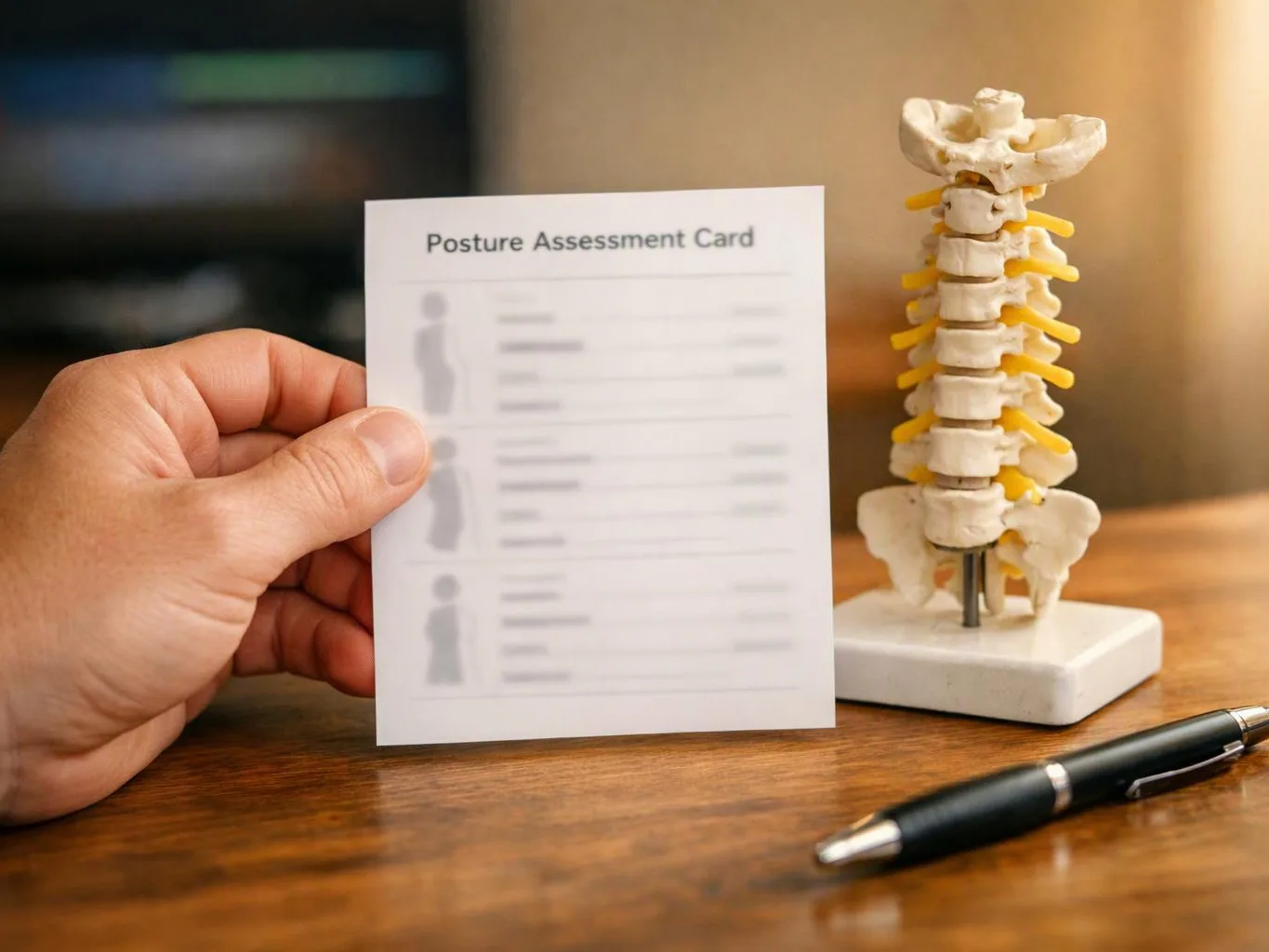
Posture changes can shift how the low back, hips, and nearby joints share movement. The assessment reviews standing posture, walking, daily activity, and symptom patterns. Our team then connects the findings to a personalized care plan. Individual response differs, so care recommendations stay tied to the patient’s current needs.
Which care methods might support pregnancy-related discomfort?
Spinal adjustments, soft tissue therapy, and wellness guidance may be discussed after an assessment. The recommended method depends on symptoms, health history, and care goals. We explain the purpose of each option before treatment. The plan can focus on movement and comfort without promising a specific result.
How is care matched to my needs before treatment starts?
The health history and movement evaluation guide the personalized care plan. Our team reviews symptoms, posture, spinal motion, daily activities, and treatment goals before discussing options. The consultation also identifies concerns that need medical attention. Patients receive clear explanations before they decide whether to proceed.