What causes poor posture after screen use?
Arrowhead Clinic Chiropractor Marietta finds that screen use can encourage forward head position and rounded shoulders. Weak upper back muscles, tight chest muscles, and poor seating can keep the pattern in place. Our team checks these factors during the health history and exam, then explains which care and home guidance fit your needs.
How is posture correction matched to my needs before treatment?
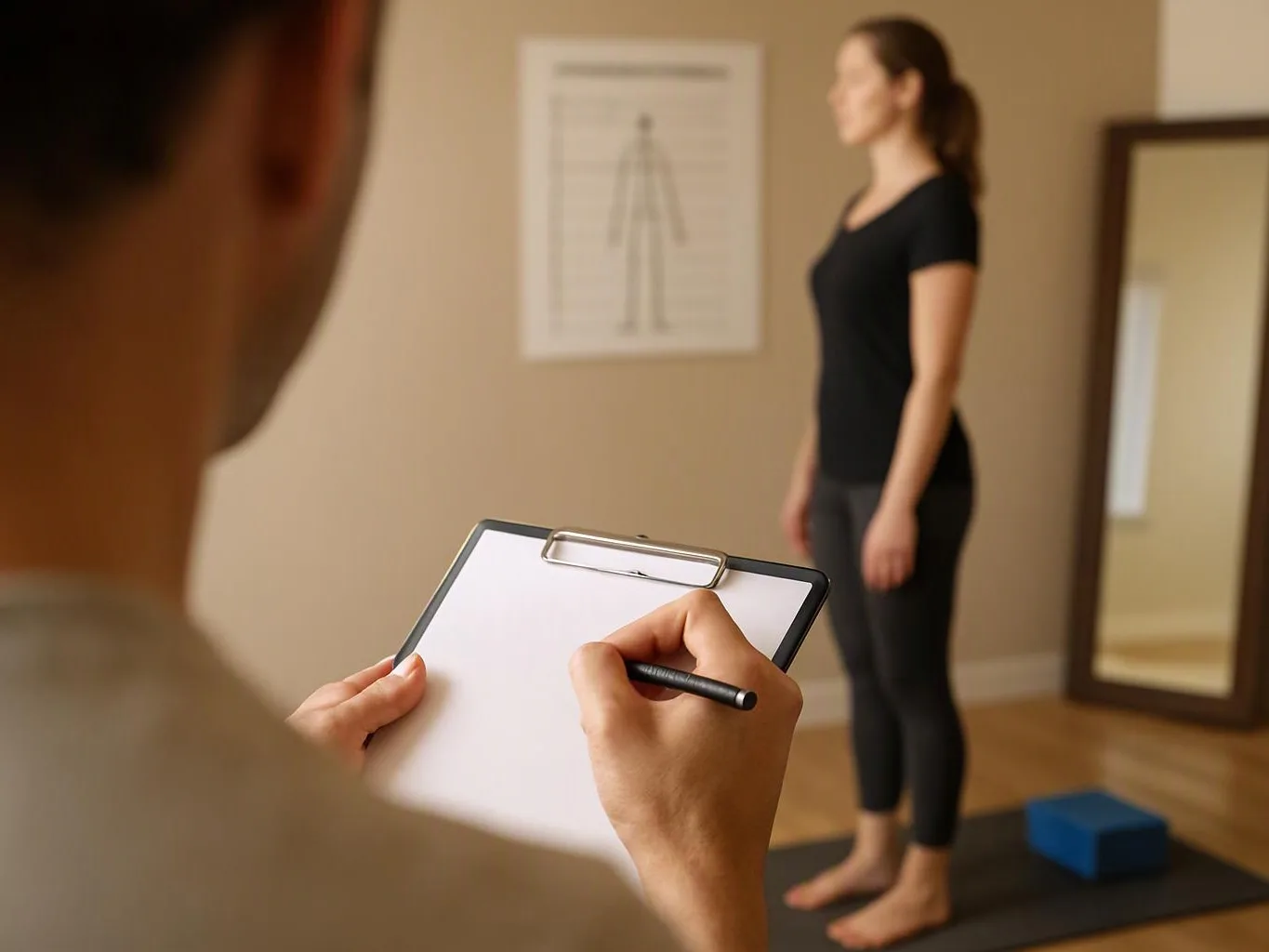
The treatment plan matches your symptoms, movement findings, health history, and goals. Our team checks spinal motion, joint function, muscle tension, and daily habits before recommending care. The plan may include spinal adjustments, soft tissue therapy, decompression therapy, or wellness guidance when those options fit the assessment.
Which condition changes the time needed for posture care?
The condition that most changes the care process is the source of the posture concern. An injury, marked stiffness, nerve-related symptoms, or limited movement may require a different assessment than a habit linked to seating. Our team reviews the affected areas and explains the next step after the examination.
What should be ready before posture care starts?
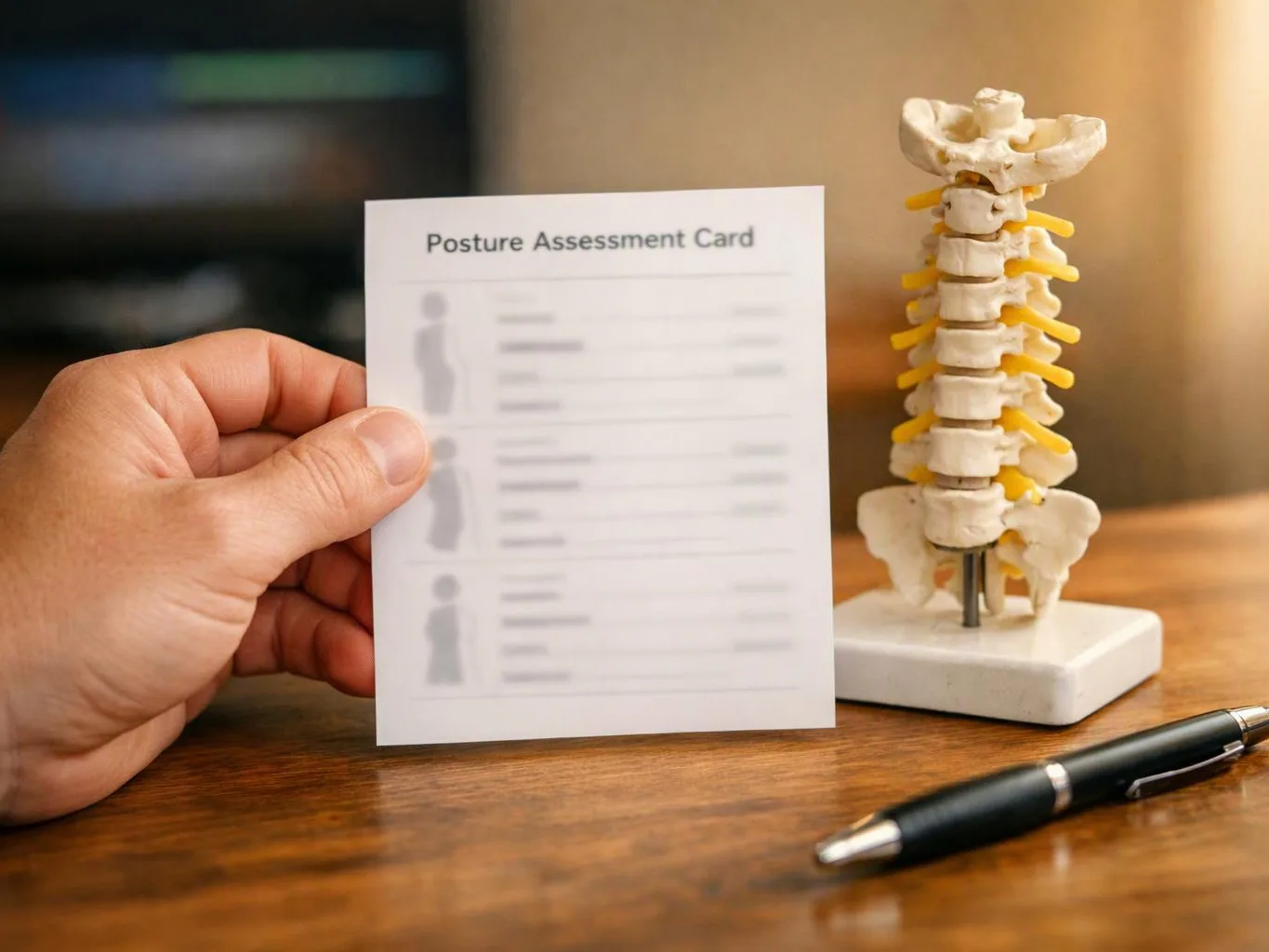
Your health history, symptom list, daily activity details, and treatment goals should be ready before the first visit. Notes about seating, screen habits, exercise, and past injuries can help our team understand the pattern. Bring relevant medical records or imaging if they relate to your current concern.
When should I ask about home exercises?
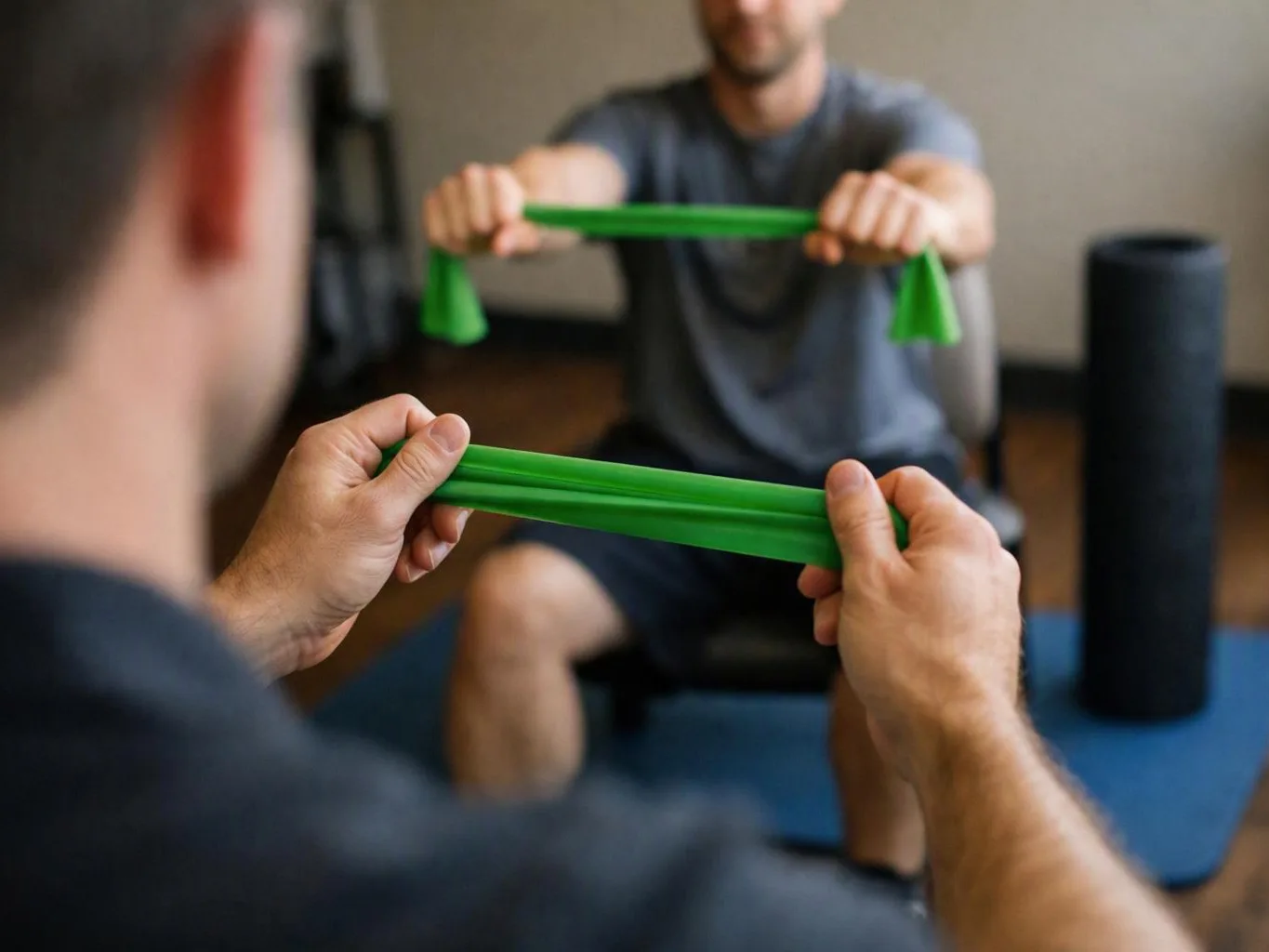
Home exercises should be discussed after the examination identifies the movement or muscle pattern they should address. Our team may suggest simple movement, strength, or mobility work that matches your care plan. Exercises should fit your symptoms and should not replace an evaluation when pain follows an injury.
Why might an adjustment not solve poor posture by itself?
An adjustment may not address daily seating, muscle weakness, or tight muscles that keep affecting posture. A posture-focused plan also reviews movement habits and home guidance. Our team explains whether spinal adjustments, soft tissue therapy, or wellness changes have a place in your care.
Can posture care help after an auto accident or work injury?
Posture care may be part of a broader plan after an auto accident or work injury, but the injury must be assessed first. Our team reviews the health history, symptoms, and movement limits before recommending treatment. Care may include corrective chiropractic care, soft tissue techniques, or other services suited to the findings.