What methods are used for posture correction?
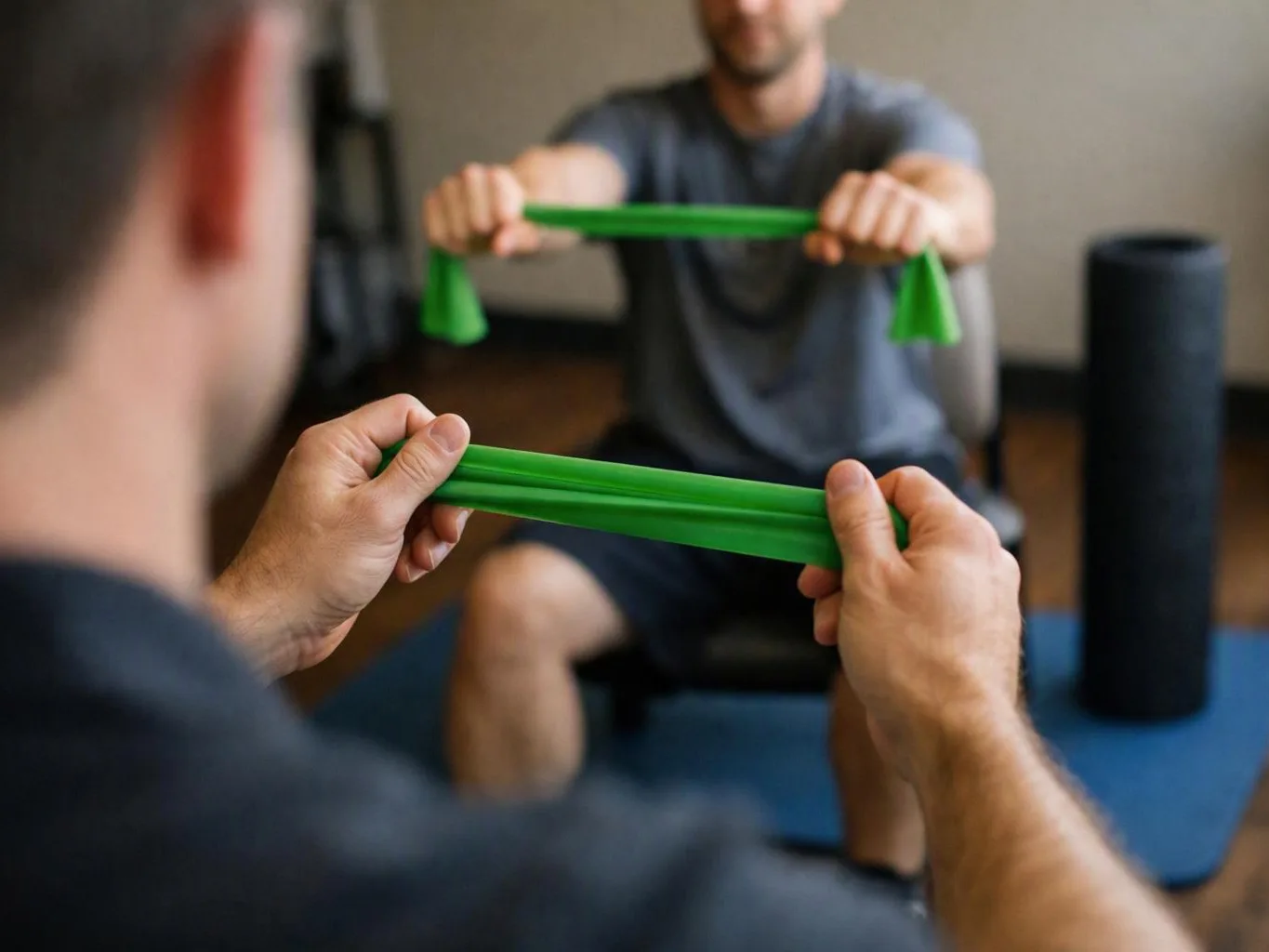
Postural exercises are one method, and Arrowhead Clinic Chiropractor Marietta may also use spinal adjustments, stretching routines, and ergonomic coaching. The assessment guides the choice. Soft tissue therapy may address muscle tension, while corrective chiropractic care focuses on movement and spinal function. We explain the recommended methods before care begins.
Who is a good fit for posture-focused chiropractic care?
Adults and families with movement concerns, posture habits, or related discomfort may fit this care. We review back pain, neck pain, headaches, joint discomfort, and activity limits during the evaluation. A different medical service may be more suitable when symptoms need urgent or specialized assessment.
What does the crew look at first during posture care?
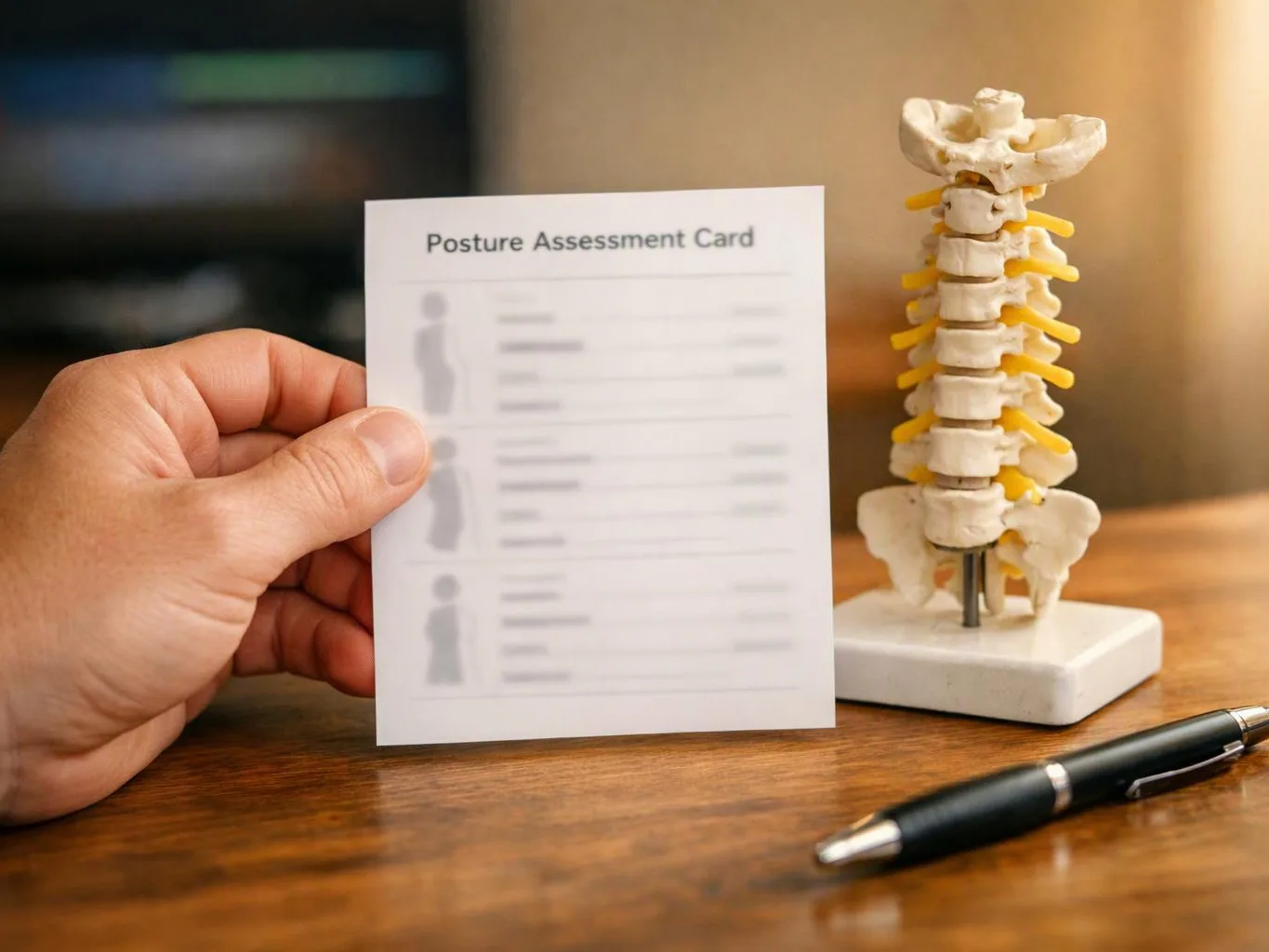
The first assessment reviews your health history, symptoms, posture, spinal motion, and joint function. We also ask about work, exercise, driving, and other daily habits. Those details help us decide whether adjustments, soft tissue therapy, or ergonomic guidance fit your needs.
What happens at each stage of posture-focused care?
The process starts with intake and an examination, then moves to findings, care planning, treatment, and progress review. We may discuss X-rays if clinically indicated. Your plan can include adjustments, stretching, soft tissue techniques, and wellness guidance based on the findings.
Which daily habits can posture care address?
Daily habits can include prolonged sitting, repeated bending, awkward standing, and movement patterns linked to work or exercise. Ergonomic coaching helps connect these habits with your care plan. We discuss practical changes after reviewing how your symptoms and movement respond during the assessment.
Why might posture work include soft tissue therapy?
Soft tissue therapy may help address muscle tension that limits comfortable movement. Our team considers muscle tone, joint motion, symptoms, and activity demands before recommending it. The technique may be combined with spinal adjustments or stretching when those methods fit your plan.
How does ongoing maintenance fit posture care?
Regular maintenance may support movement goals after the initial care plan is reviewed. The need for maintenance depends on your symptoms, activity, progress, and personal goals. We discuss that option during follow-up instead of assigning the same schedule to every patient.