Skip to content

Plantar Fasciitis Treatment in Dallas, Georgia

Supportive footwear may need replacement in Dallas, while a good pair may only need adjustment. We help you choose the next step during a focused visit.

Licensed & InsuredWarranty AvailableUpfront, Transparent PricingServing 34 Communities

Quick Summary: Plantar Fasciitis Care in Dallas, Georgia

Plantar Fasciitis Treatment in Dallas is provided by Arrowhead Clinic Chiropractor Marietta for heel and arch discomfort. Care includes a thorough evaluation, personalized care plan, and support for patients in Marietta, East Cobb, Roswell, Woodstock, Smyrna, and nearby communities.

  • What we do: Arrowhead Clinic Chiropractor Marietta provides Plantar Fasciitis Treatment for Dallas, Georgia patients through assessment, foot exercises, soft tissue techniques, and activity guidance.
  • What is included: Foot and movement assessment, supportive footwear guidance, load management, soft tissue therapy, and personalized chiropractic care plans.
  • What you get: The patient leaves with a clear care plan for reducing strain on the plantar fascia and supporting better movement.

Why does plantar fasciitis keep returning during treatment?

Plantar fasciitis may return when daily load stays higher than the foot can manage. Supportive footwear, activity changes, foot exercises, and gradual load management can help reduce repeated strain. Our team checks movement patterns and treatment goals, then explains which habits may be affecting progress.

Plantar Fasciitis Treatment in Dallas for Safer Daily Movement

Plantar fasciitis treatment is for people who feel pain beneath the heel or along the arch during daily movement. The work centers on finding what keeps stressing the plantar fascia, then matching care to the person’s activity and goals.

Customers often need a clear answer about footwear, exercise, and activity. We assess foot and lower-body movement, discuss daily load, and explain how spinal adjustments, soft tissue techniques, or wellness guidance may fit the plan.

This service does not replace medical care for a serious injury, infection, sudden weakness, or unexplained swelling. If symptoms suggest a different condition, our team explains the next appropriate step.

  • Bring the shoes used most often for work, exercise, or daily walking.
  • Note which activities increase heel or arch discomfort.
  • Share prior injuries, health concerns, and current treatment goals.
  • Ask how activity changes and foot exercises fit the care plan.
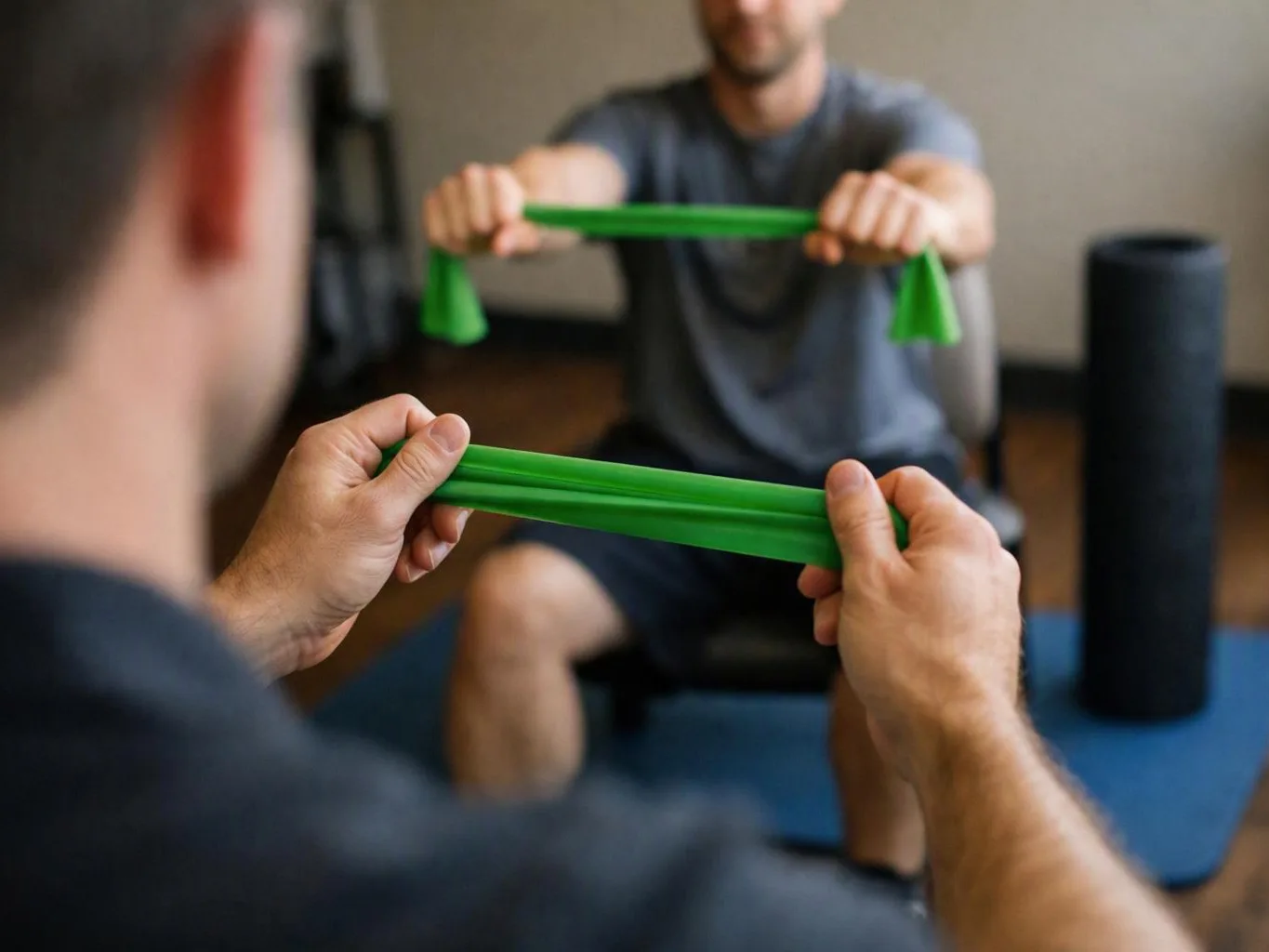
A person in the foreground stretches a green resistance band while another sits facing them in a gym setting

Service Overview

Plantar fasciitis treatment is a care plan that addresses heel pain, foot strain, and movement limits linked to the plantar fascia.

  • Chiropractic care focuses on movement, joint function, soft tissue tension, and load patterns, while footwear guidance addresses support beneath the foot.
  • We provide this care in Dallas and nearby communities, including Marietta, East Cobb, Roswell, Woodstock, and Smyrna.

What Plantar Fasciitis Care Includes?

Arrowhead Clinic Chiropractor Marietta provides comprehensive Plantar Fasciitis Treatment in Dallas. Here's what you get:

  • A health history and physical evaluation focused on foot pain, movement, and daily activity.
  • A review of supportive footwear, activity demands, and load placed on the foot.
  • Soft tissue techniques that address tension around the foot and lower leg.
  • Foot exercises selected to support movement and gradual strength.
  • Chiropractic care that may include spinal adjustments when clinically appropriate.
  • Clear treatment explanations and a personalized care plan.

What This Foot Pain Care Helps You Manage

You get a clearer view of the habits and movements that may keep stressing the plantar fascia.

Foot exercises can give you practical work to follow between visits.

Activity changes may help you stay active while reducing repeated strain.

Load management helps match daily demands with the foot’s current tolerance.

A footwear review helps you decide whether your current shoes need adjustment or replacement.

A client scenario this service addresses

A person in Dallas may seek care after heel pain starts affecting work, exercise, or routine walking. We check movement, footwear, foot load, and related discomfort before discussing a suitable plan. The visit helps separate plantar fascia strain from concerns that need another type of medical evaluation.

How This Care Helps You Choose the Next Step

Supportive footwear review

Customers can bring their usual shoes so we can discuss support, wear, and fit. The right change may be a better fit or a different shoe, not a treatment claim.

Movement-based care planning

Our team connects foot symptoms with movement, activity, and load. We explain why each recommended step belongs in the plan.

Clear treatment explanations

Patients receive straightforward guidance about adjustments, soft tissue therapy, exercises, and wellness support. Results vary, and this service is the wrong fit for symptoms that need urgent medical assessment.

Process

How We Approach Plantar Fasciitis Care

1

Review symptoms and daily load

We begin with a new patient intake and health history. Customers explain where symptoms occur, what activities increase them, and how footwear affects movement.

2

Assess foot and body movement

Our team checks movement, joint function, soft tissue tension, and activity demands. X-rays are considered only when clinically indicated.

3

Discuss footwear and activity changes

Patients learn how supportive footwear, activity changes, and load management may affect the plantar fascia. We focus on steps that fit daily life.

4

Build the care plan

We may combine spinal adjustments, soft tissue techniques, foot exercises, and wellness guidance. The plan follows the assessment and the patient’s goals.

5

Review progress and adjust care

Follow-up discussions help us review movement, symptoms, and daily activity. We update recommendations when the patient’s needs or response changes.

Foot Care Choices During Treatment

This table compares common care decisions that may arise during an assessment.

DecisionWhat we reviewPossible next step
Footwear adjustmentFit, support, wear, and daily useKeep the shoes, change use, or discuss replacement
Activity changeWalking, standing, exercise, and symptom responseReduce or modify load while maintaining suitable movement
Care methodMovement, joint function, and soft tissue tensionUse exercises, soft tissue therapy, adjustments, or combined care

The Arrowhead Clinic Chiropractor Marietta Standard

  • Individualized Care
  • Thorough Assessments
  • Clear Explanations
  • Comfortable Techniques

Questions About Plantar Fasciitis Care

How can I avoid setbacks during plantar fasciitis treatment?

Supportive footwear, steady activity changes, and gradual load management can help reduce setbacks. Arrowhead Clinic Chiropractor Marietta reviews daily demands, foot movement, and shoe support during the visit. We may add foot exercises and soft tissue therapy, then adjust the plan when symptoms or activity levels change.

What happens during the first visit for heel and arch pain?

The first visit includes a health history, movement assessment, and discussion of your daily activity. Our team asks about footwear, prior injuries, and symptom changes. X-rays are considered if clinically indicated. You then receive clear information about possible care options and the next step.

Which part of the foot decides the treatment scope?

The location of pain, foot movement, and nearby soft tissue tension help decide the treatment scope. We also review activity load and footwear because they affect repeated strain. Care may include exercises, soft tissue therapy, or chiropractic methods when the assessment supports them.

When should I change my activity during care?

Activity should change when walking, standing, or exercise repeatedly increases symptoms. Customers can discuss the activity, footwear, and load with our team before making a plan. We support gradual changes that match current tolerance, and we review progress during follow-up care.

Why can heel pain return after it starts improving?

Heel pain can return when daily load rises faster than the foot can manage. Work demands, exercise, footwear, and home routines all matter. Our team reviews these factors and explains how foot exercises, activity changes, and load management may support steadier progress.

How does a visit move from the first call to the last step?

A visit moves from consultation and health history to assessment, care planning, treatment, and progress review. Customers discuss symptoms and goals first. We then explain suitable methods, such as soft tissue therapy or adjustments, and provide practical guidance for activity and home care.

Can this care fit someone who stays active?

Yes, active patients can receive a plan built around their current activity and movement goals. We review training, walking, standing, footwear, and recovery habits. Foot exercises and load management may help patients stay engaged with activity while the care plan develops.
Contact

Discuss Plantar Fasciitis Treatment in Dallas

Supportive footwear and daily load can shape plantar fasciitis care in Dallas. Book a free consultation with Arrowhead Clinic Chiropractor Marietta to discuss your symptoms, movement, and care options.

Two men talk in a clinic room while one points at a clipboard chart and holds a pen

ZIP Codes We Serve in Dallas, Georgia

3013230157

Plantar Fasciitis Treatment in Other Areas

The health and wellness information on this website is for general informational purposes only and is not medical advice. It does not create a provider-patient relationship. Always consult a qualified licensed provider in Marietta, Georgia, United States about your specific condition before making care decisions. Individual results vary.

(770) 626-7745