Which treatments may help a herniated disc?
Manual therapy may help suitable patients manage movement limits and disc-related discomfort. Arrowhead Clinic Chiropractor Marietta may also use spinal decompression, soft tissue therapy, therapeutic exercise, posture training, or nerve glides. The exam and your goals guide the plan. Individual response differs, so we review progress and adjust care when needed.
What should be checked before care is scheduled?
A health history and movement exam should be checked before treatment begins. The assessment reviews symptoms, prior care, activity limits, posture, and spinal motion. X-rays may be considered if clinically indicated. We use these findings to explain whether conservative chiropractic care fits your needs and which methods may be appropriate.
Who is a good fit for this care, and who needs another service?
Patients with disc-related pain and movement limits may fit conservative chiropractic care. People with new or worsening weakness, major loss of feeling, or bowel and bladder changes need medical evaluation. Our team reviews your symptoms and history before recommending care. We do not promise one method will suit every patient.
What happens at each stage of treatment?
Treatment begins with intake and an exam, then moves to findings, care planning, treatment, and progress review. The process may include spinal adjustments, decompression, soft tissue therapy, or exercise. Your symptoms and response guide each stage. We explain the plan before care begins and answer questions along the way.
How does posture training fit into disc care?
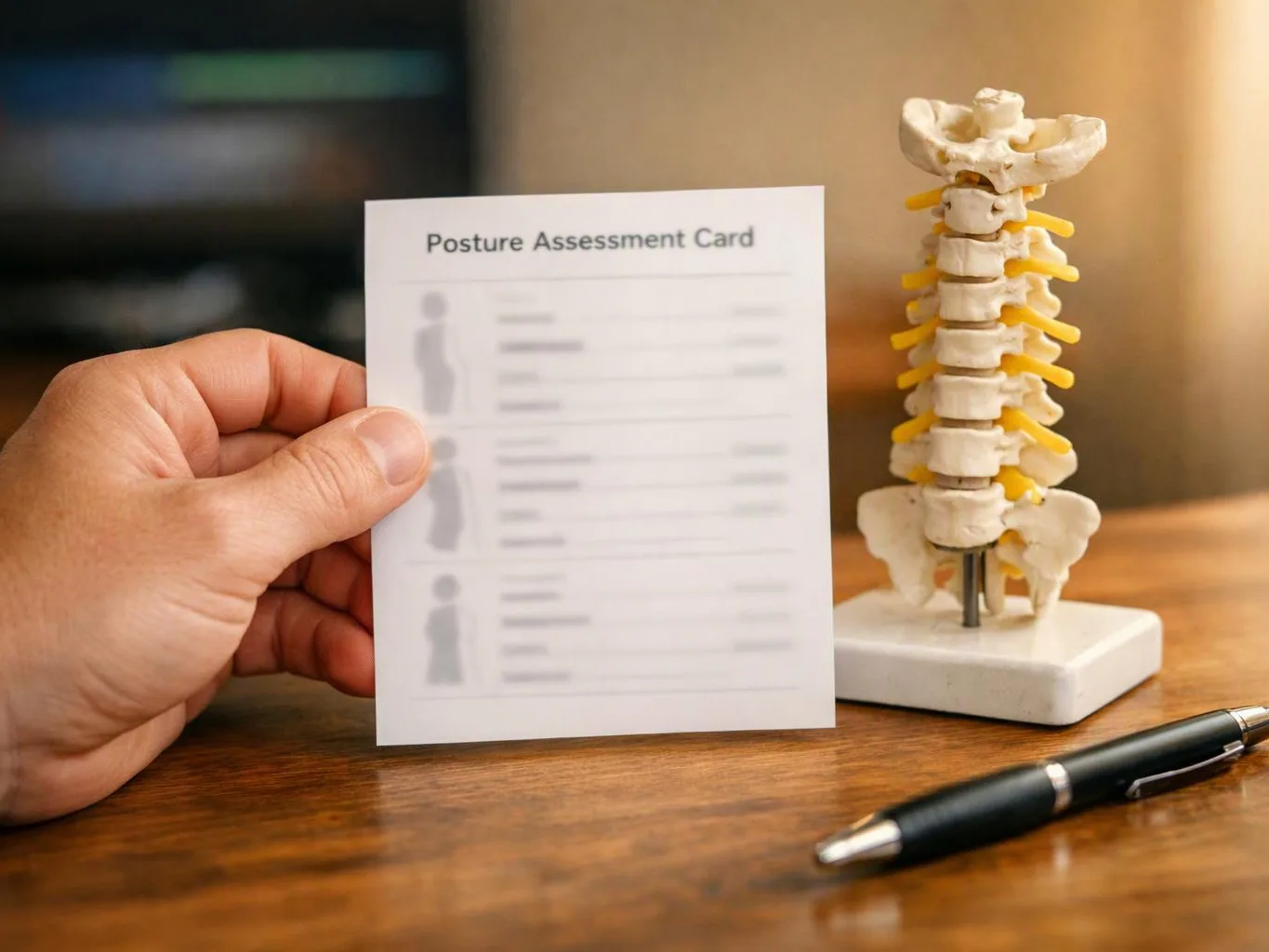
Posture training helps you practice positions and movements that support your daily activities. We may pair it with therapeutic exercise, nerve glides, or soft tissue therapy when the exam supports that choice. The guidance focuses on practical tasks such as sitting, standing, bending, or lifting. Your plan stays tied to your stated goals.
Why might spinal decompression be included?
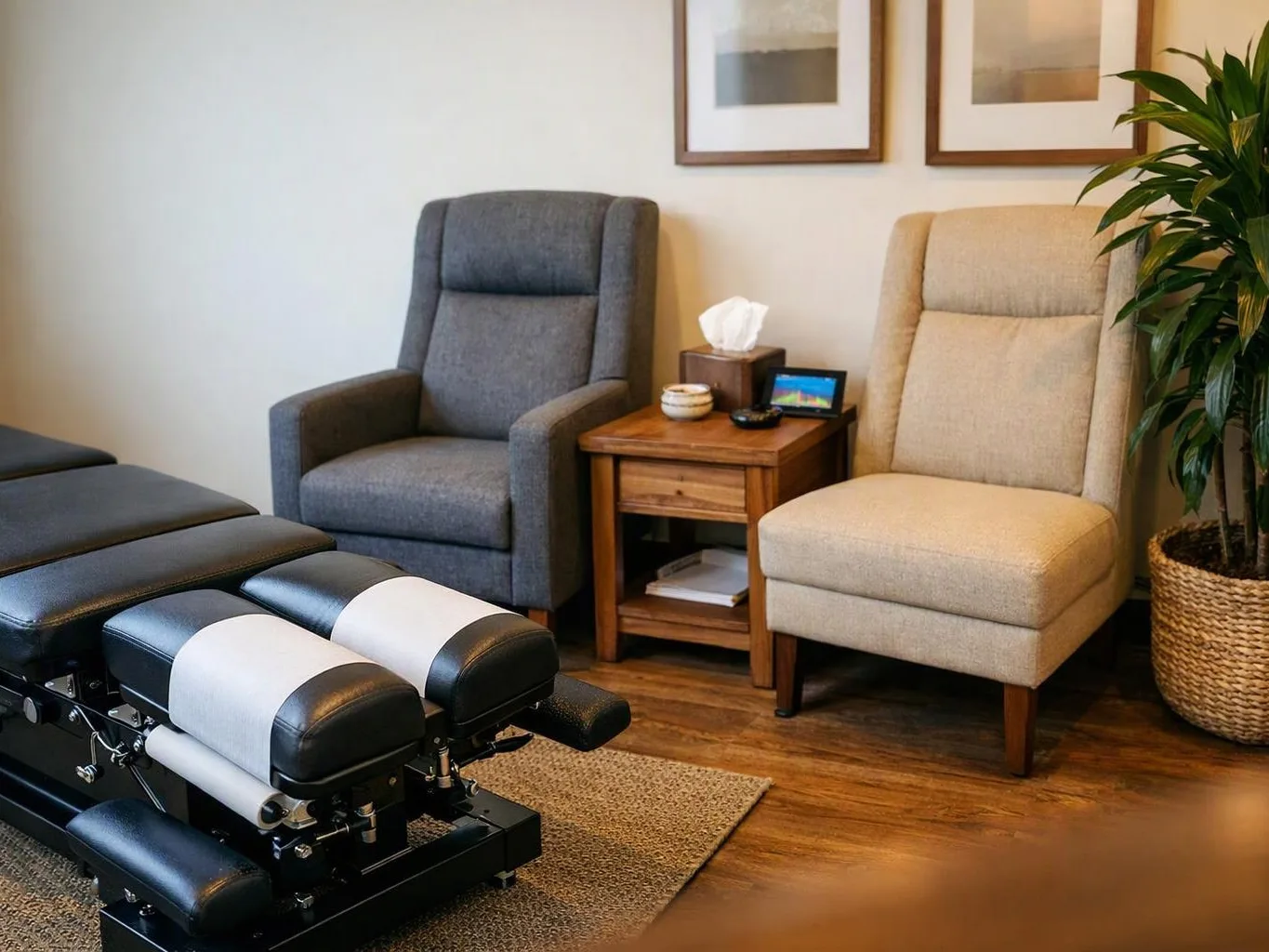
Spinal decompression may be included when controlled table-based movement fits the assessment. The method is only one possible part of care, not a stand-alone promise of relief. We discuss its purpose, your comfort, and other suitable options before treatment. Progress reviews help determine whether the plan remains appropriate.
What changes the cost of this care?
The selected evaluation and treatment methods determine the cost of care. Your plan may involve adjustments, decompression, soft tissue therapy, or exercise guidance. We explain the recommended services and pricing during the consultation. Ask about the items included so you understand the plan before scheduling ongoing visits.